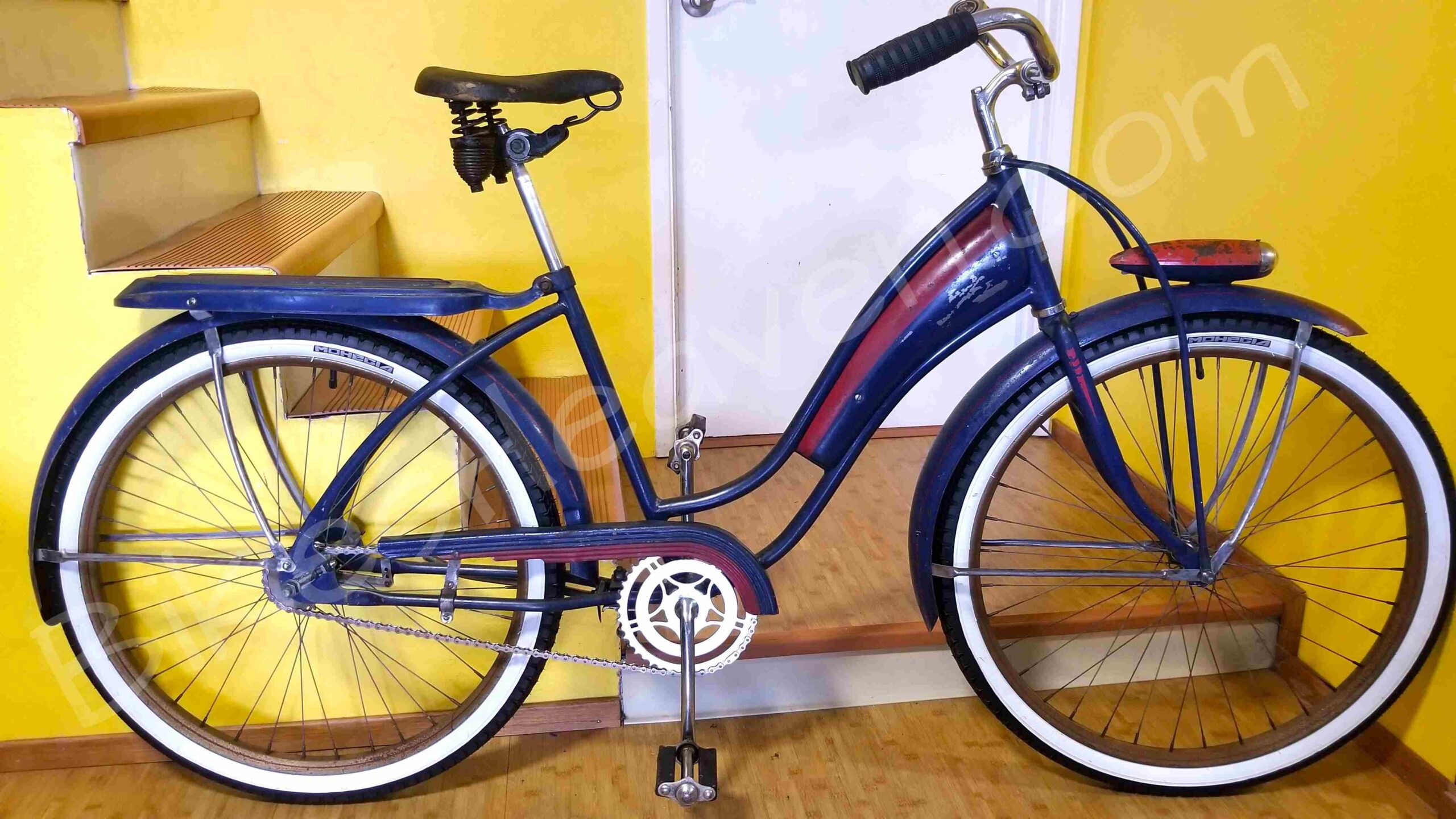
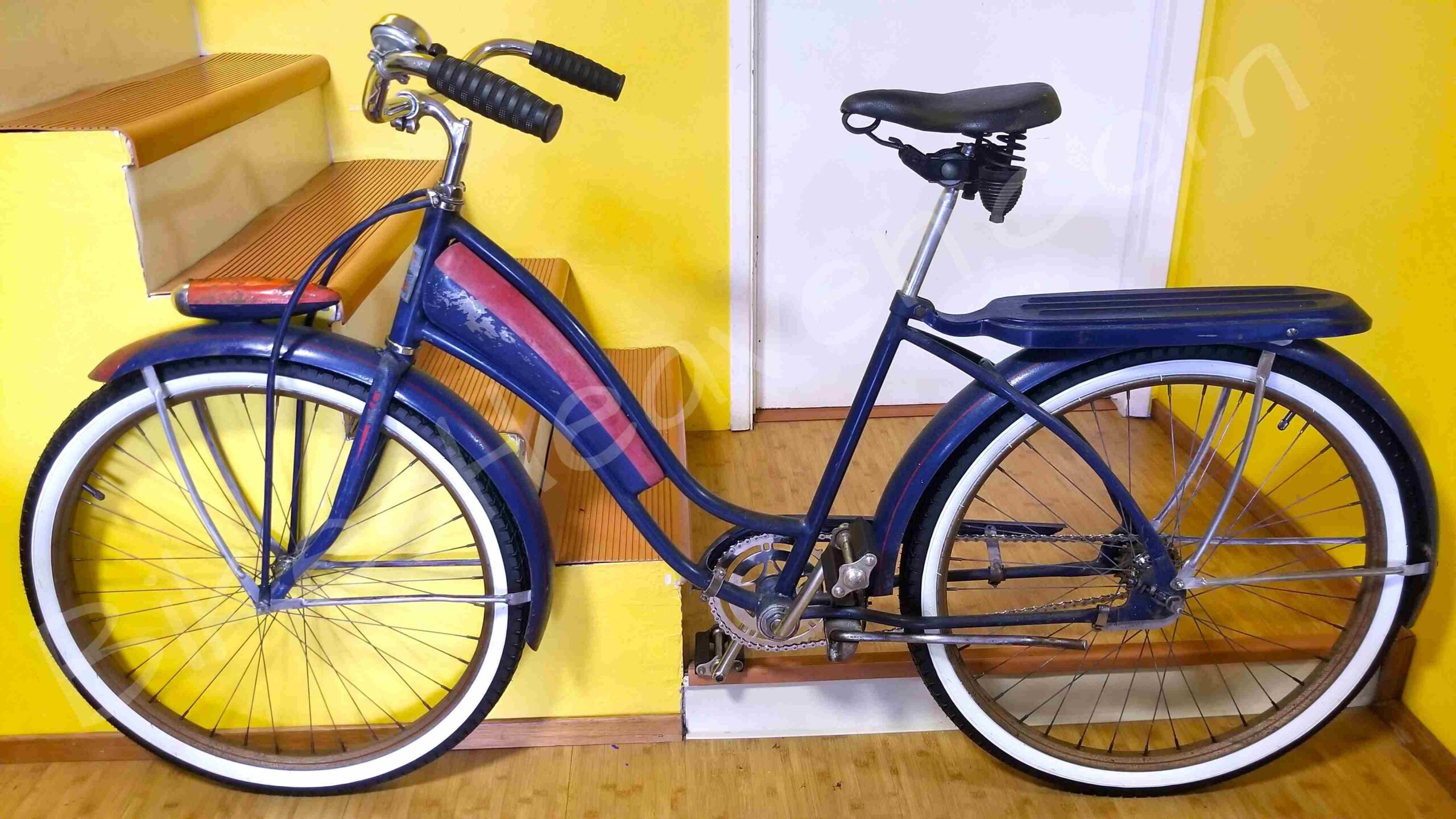
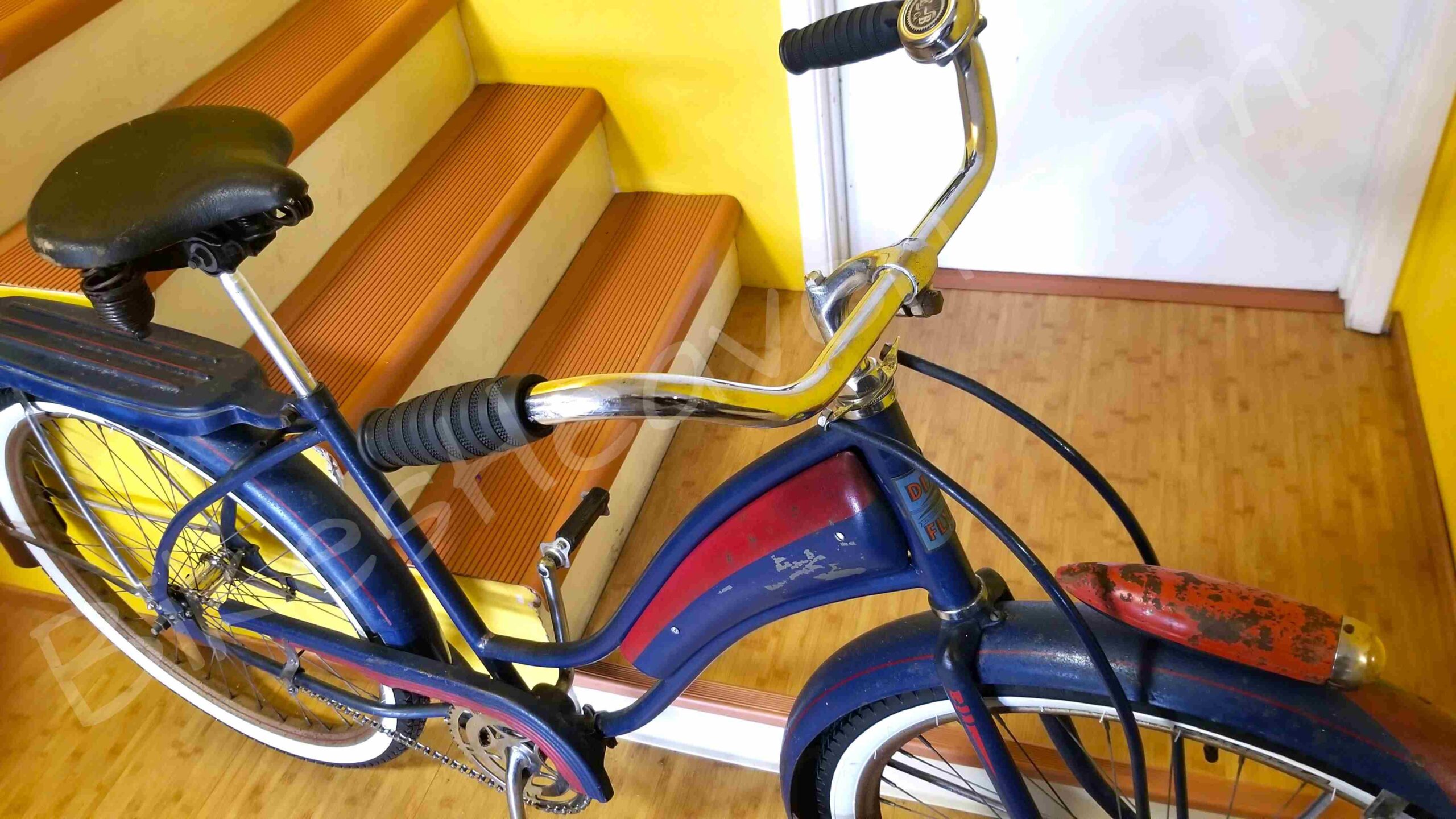
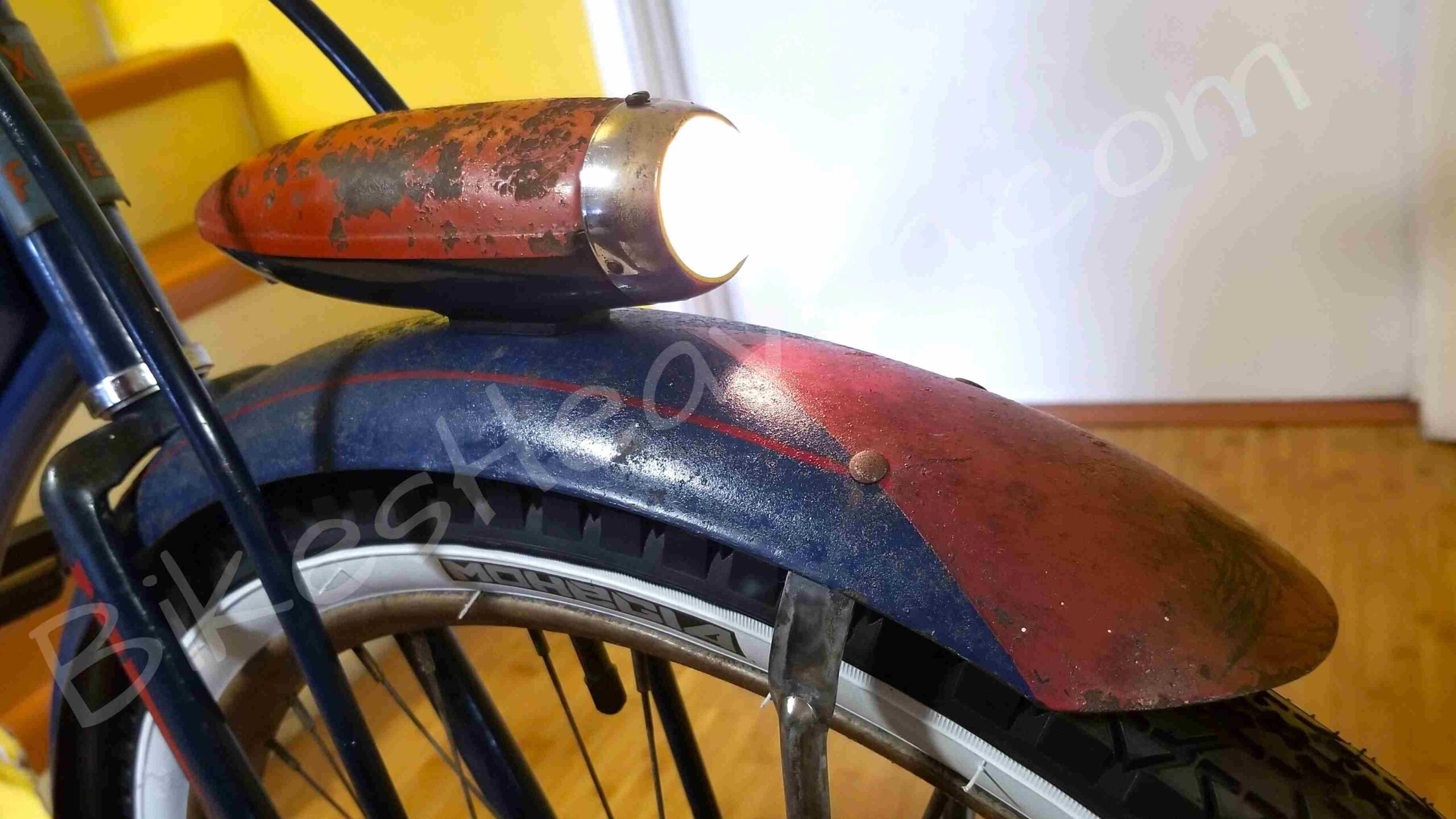
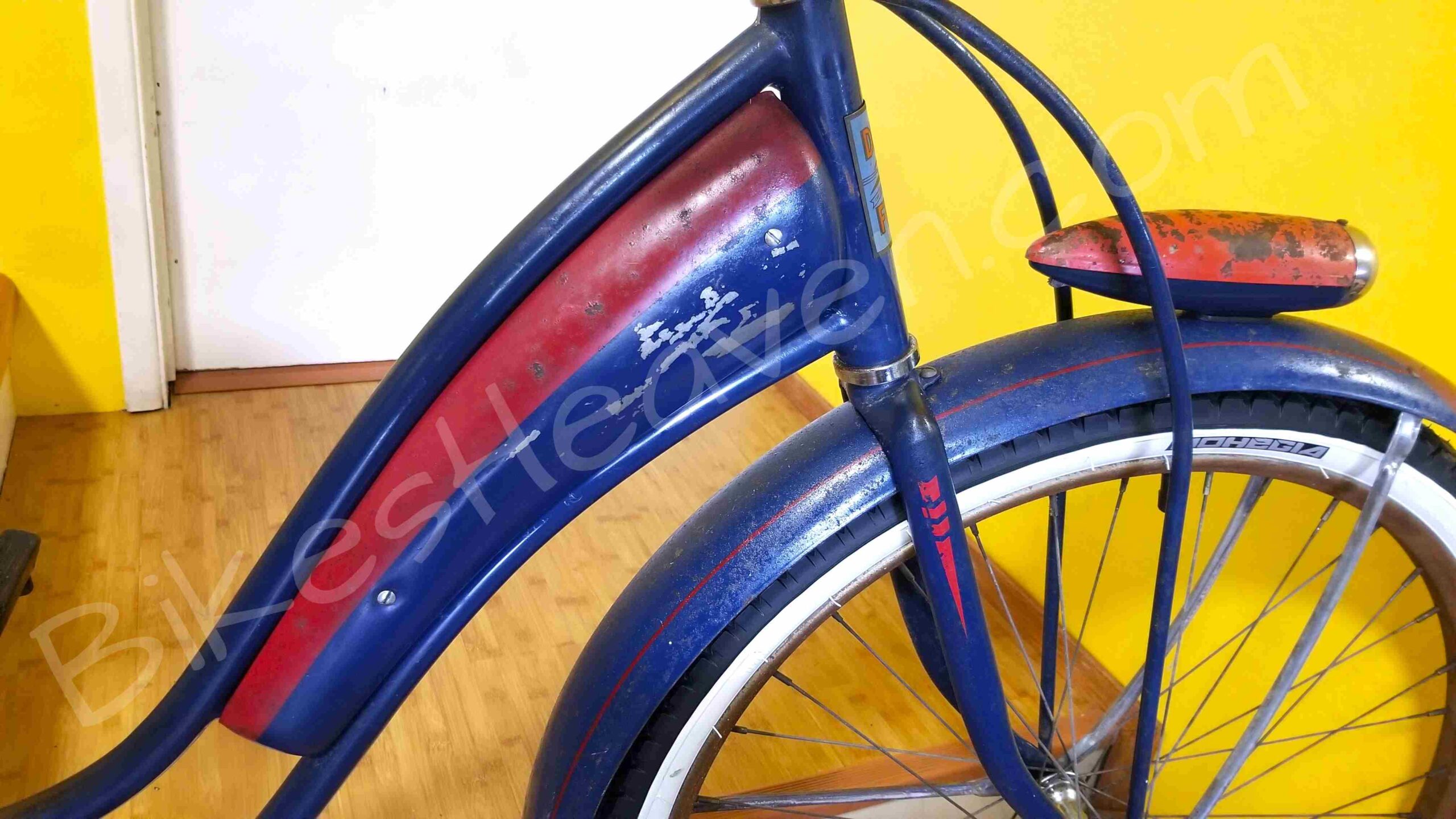
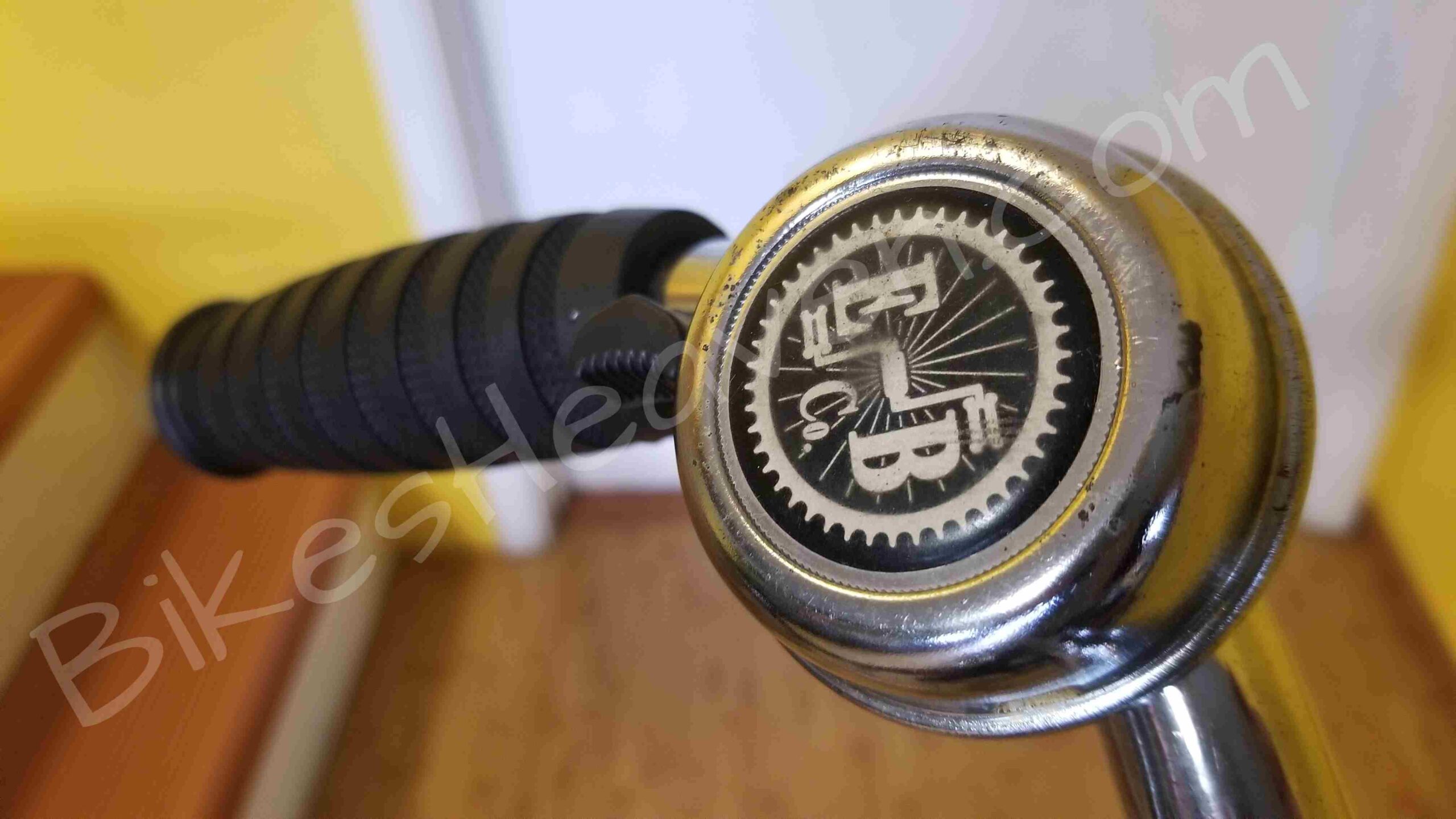
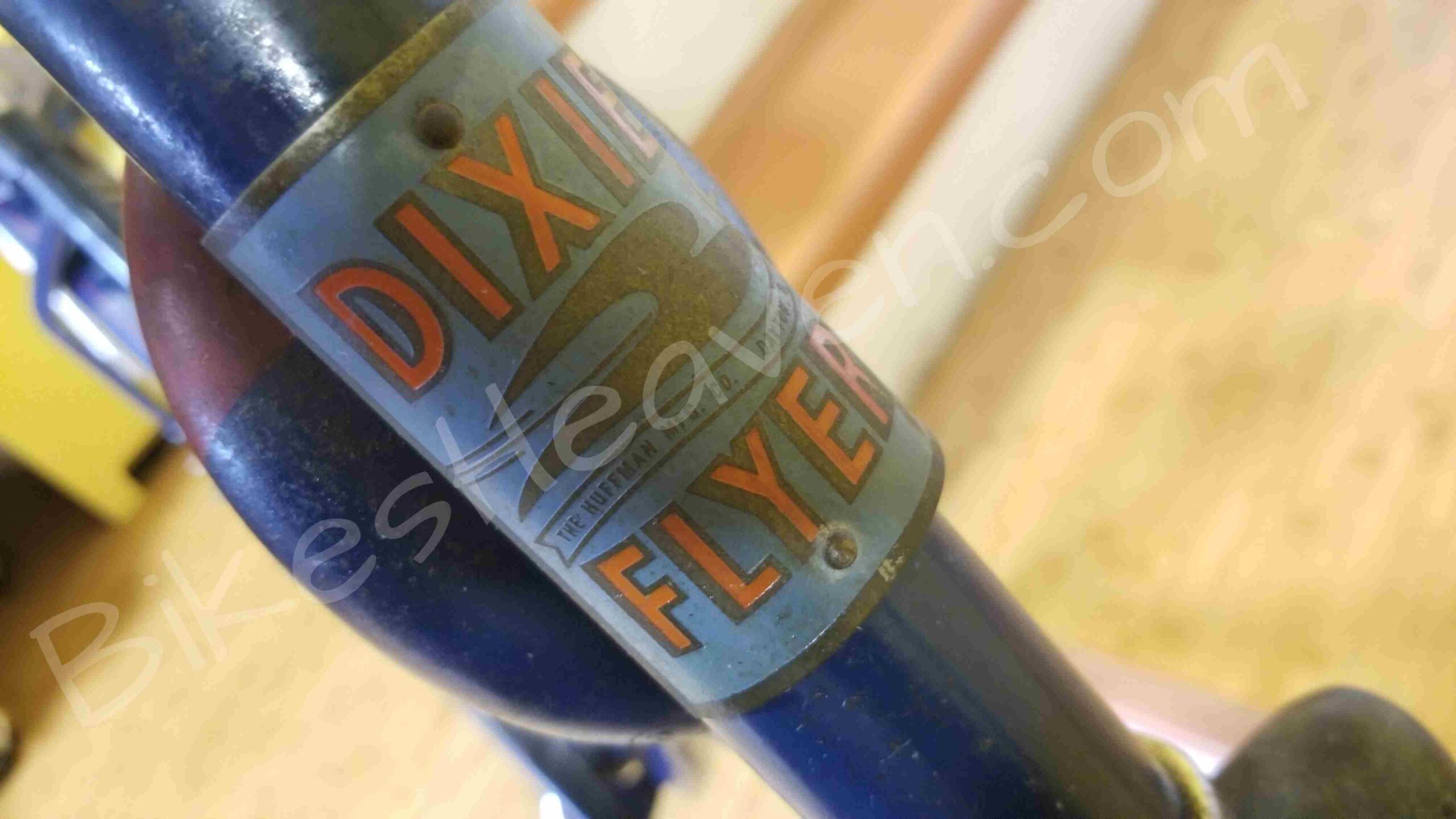
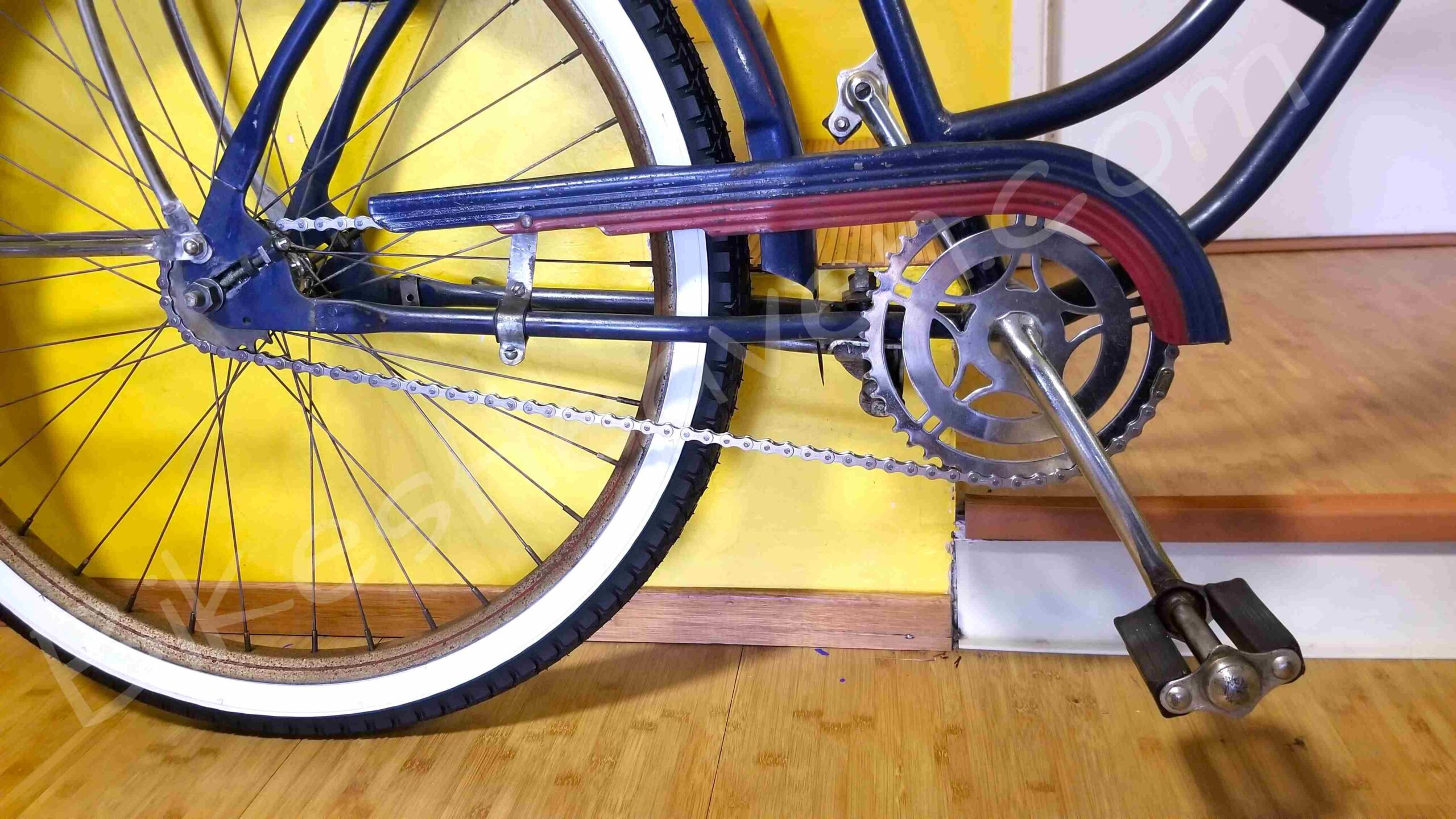
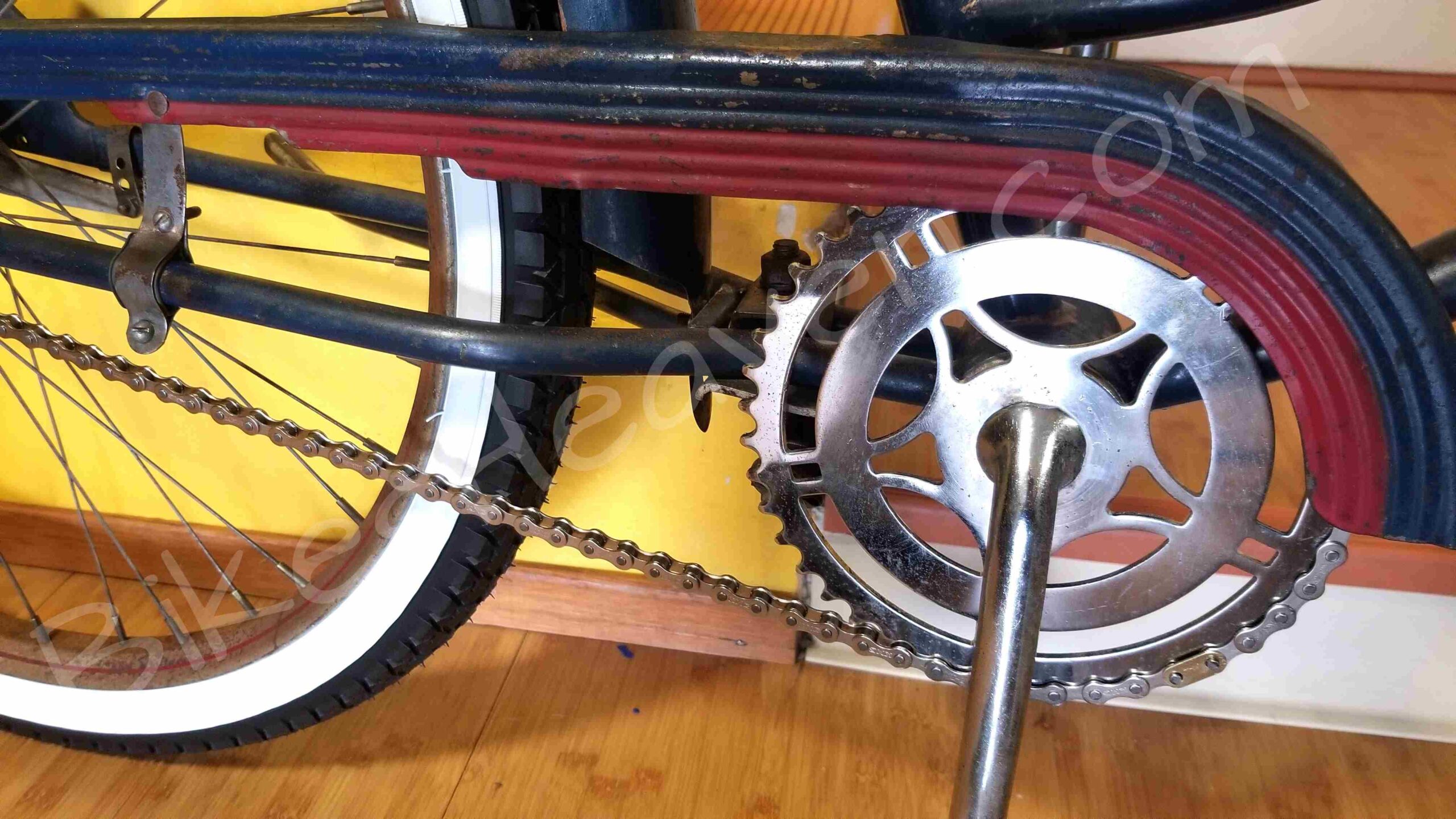
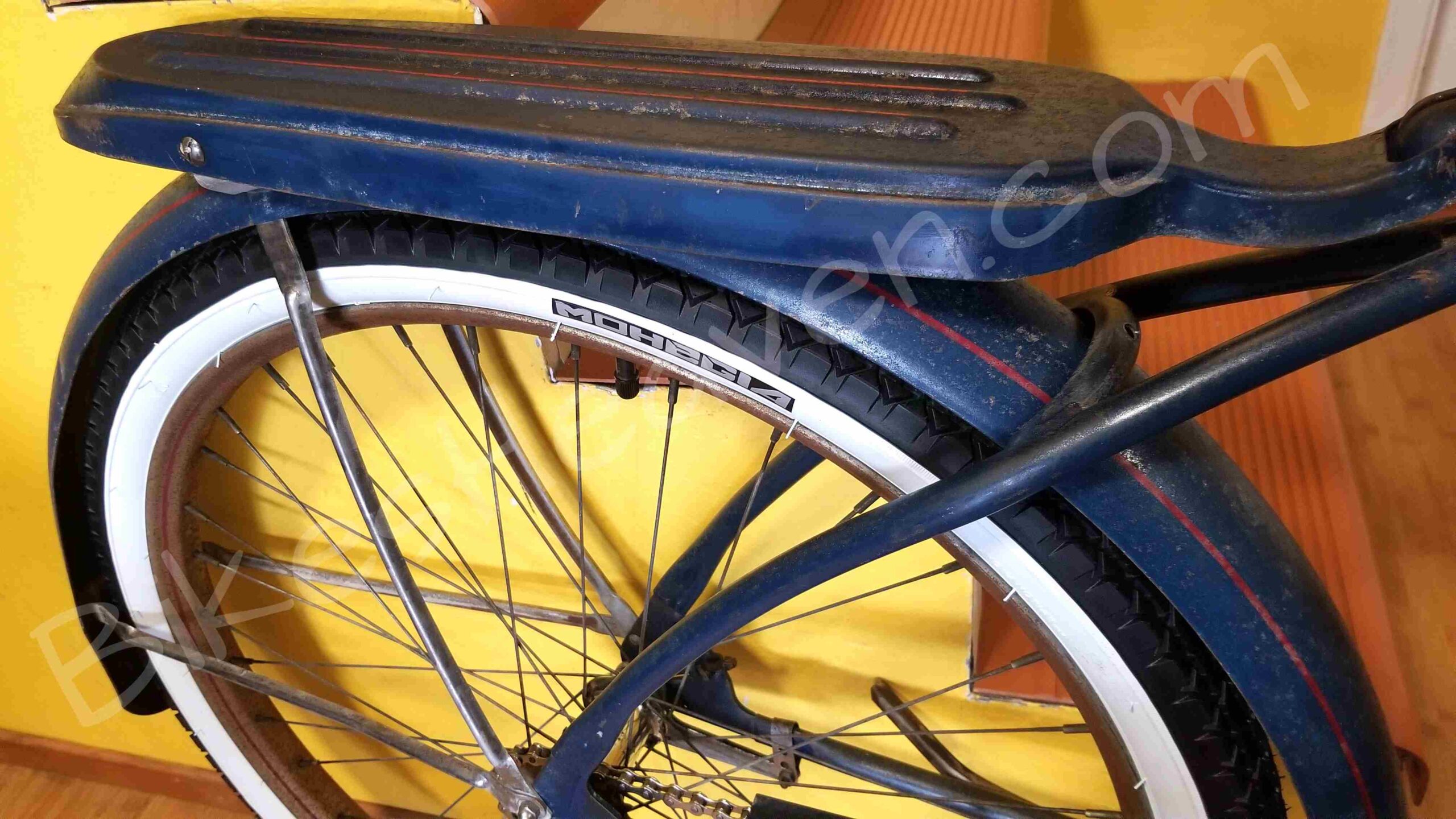
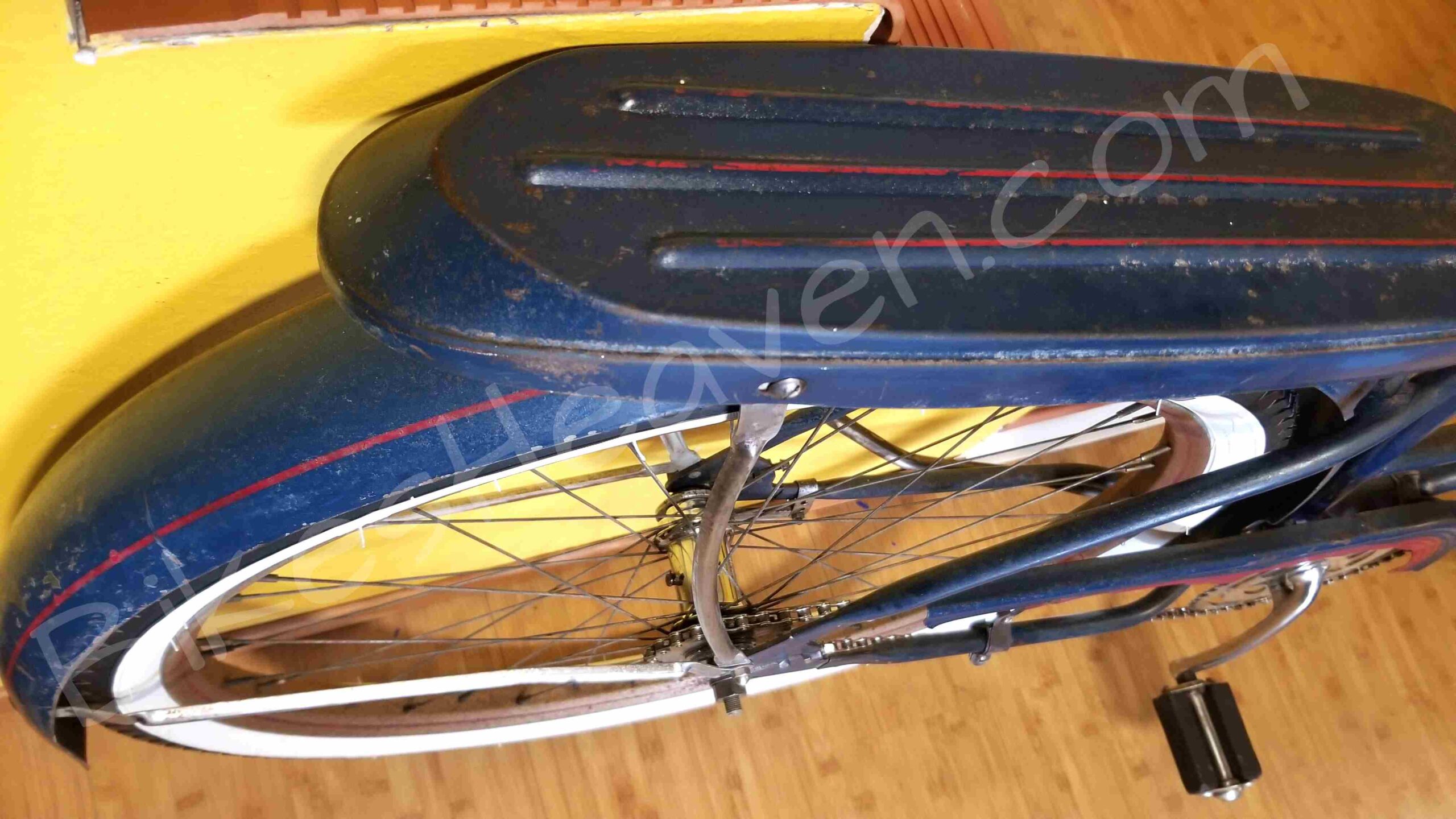
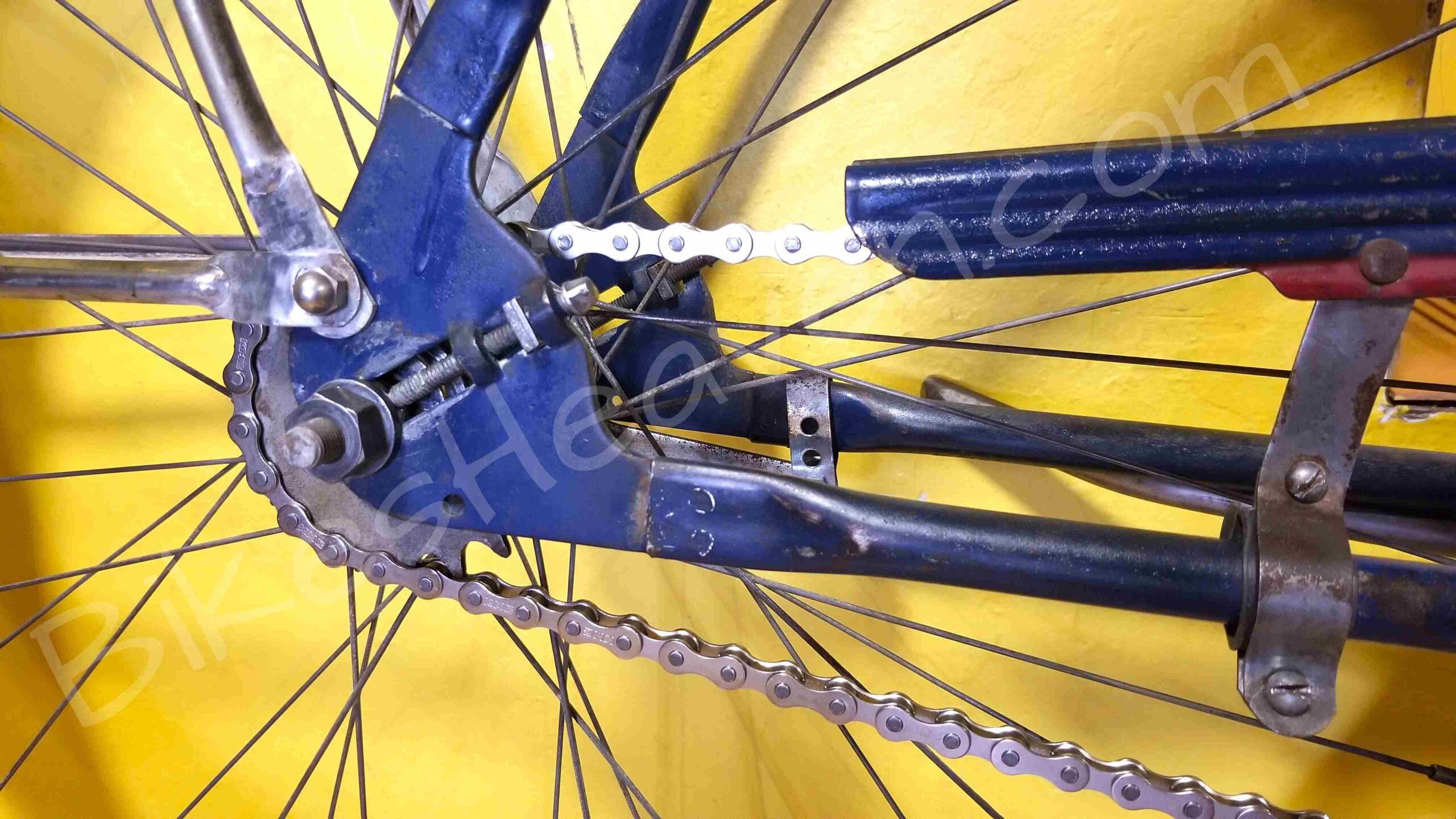
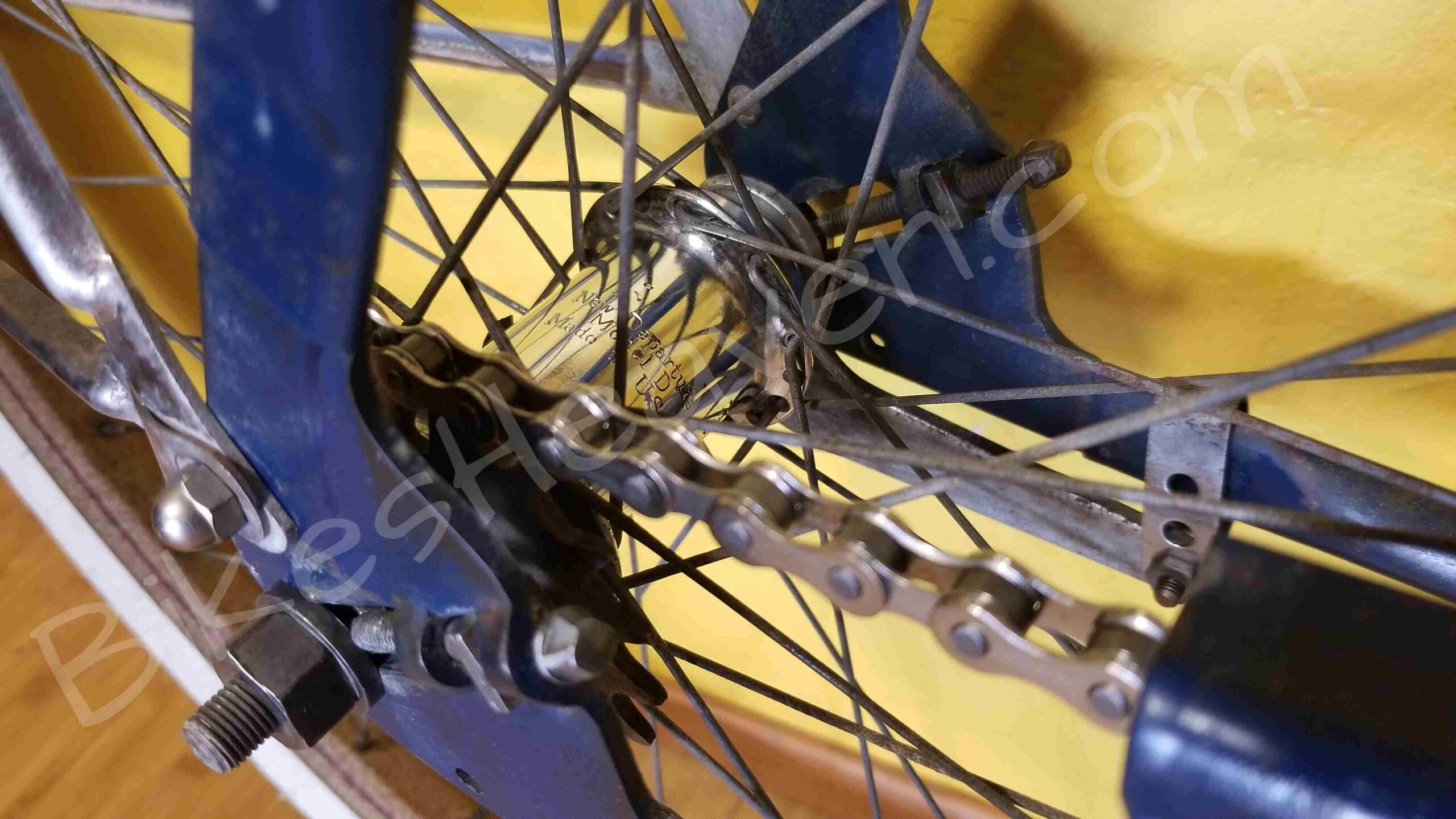
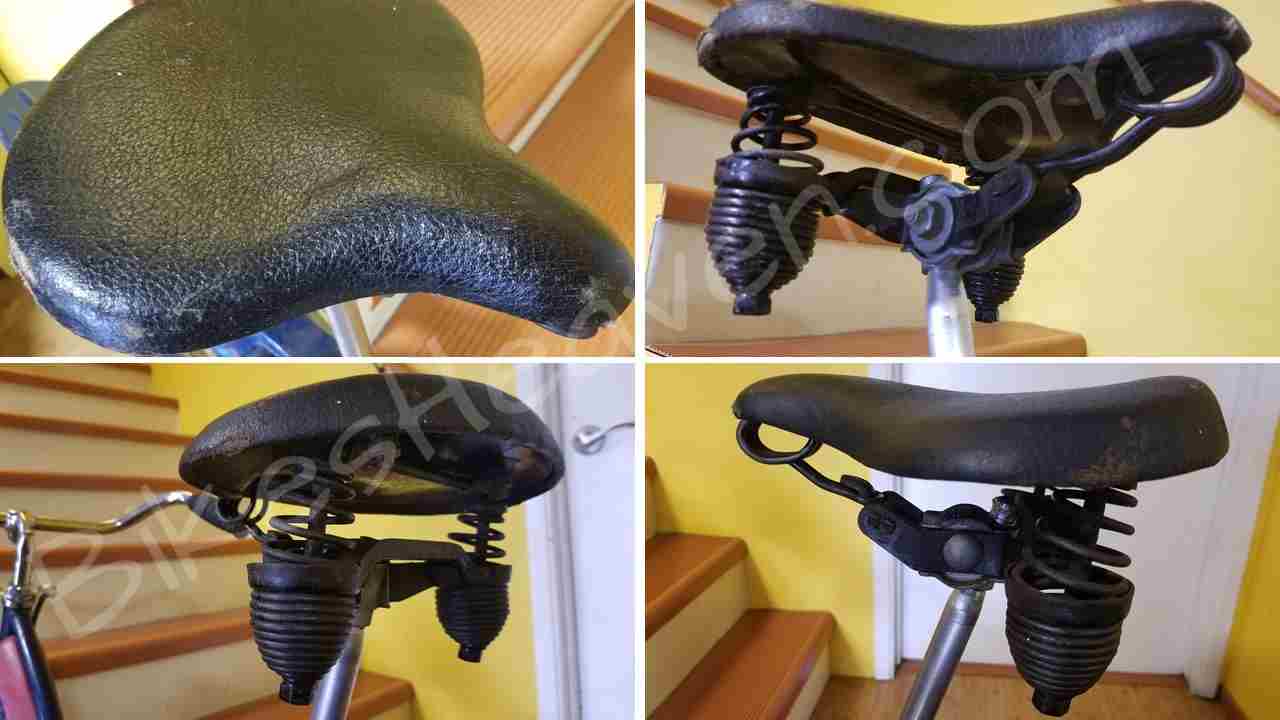
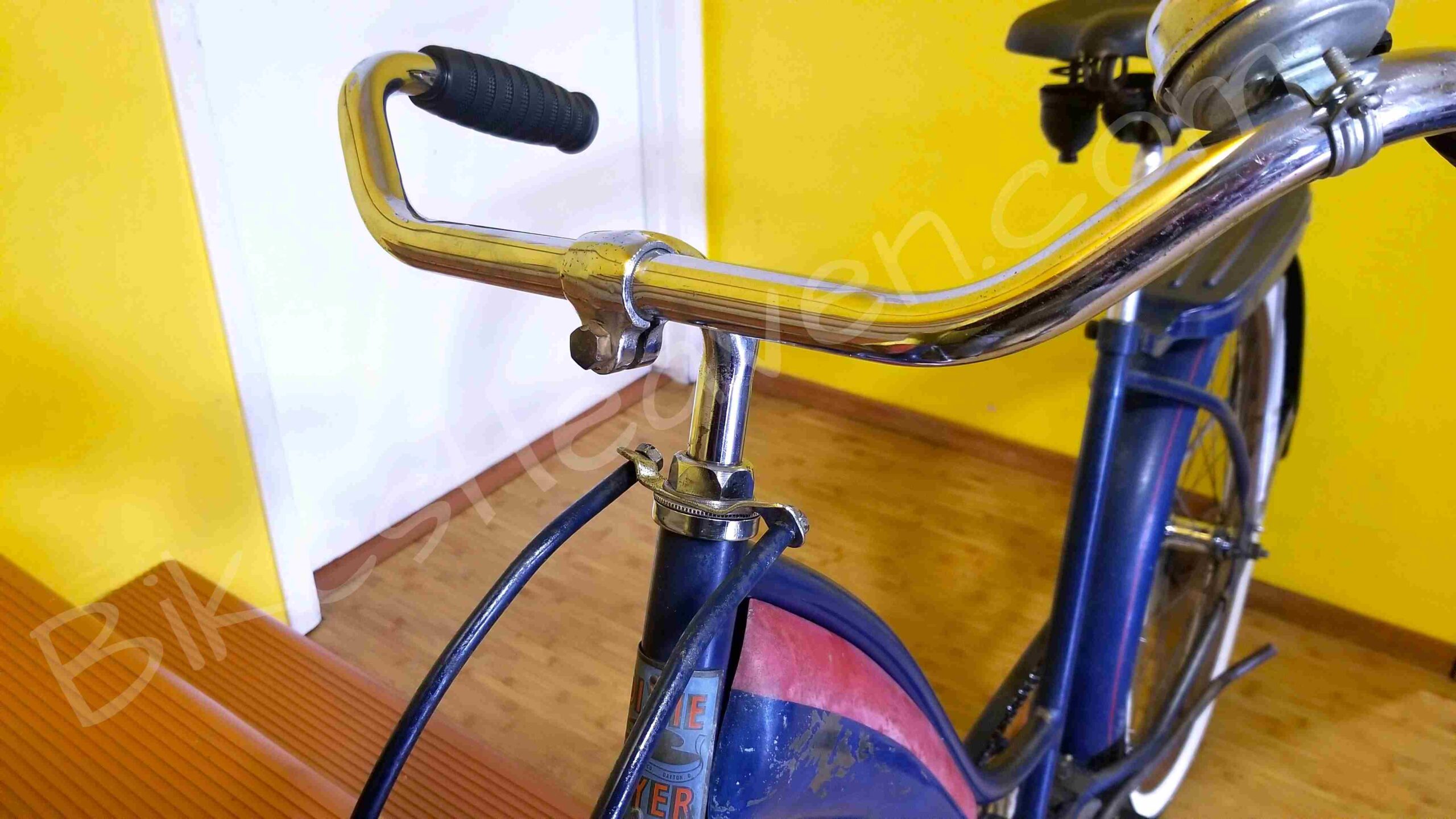
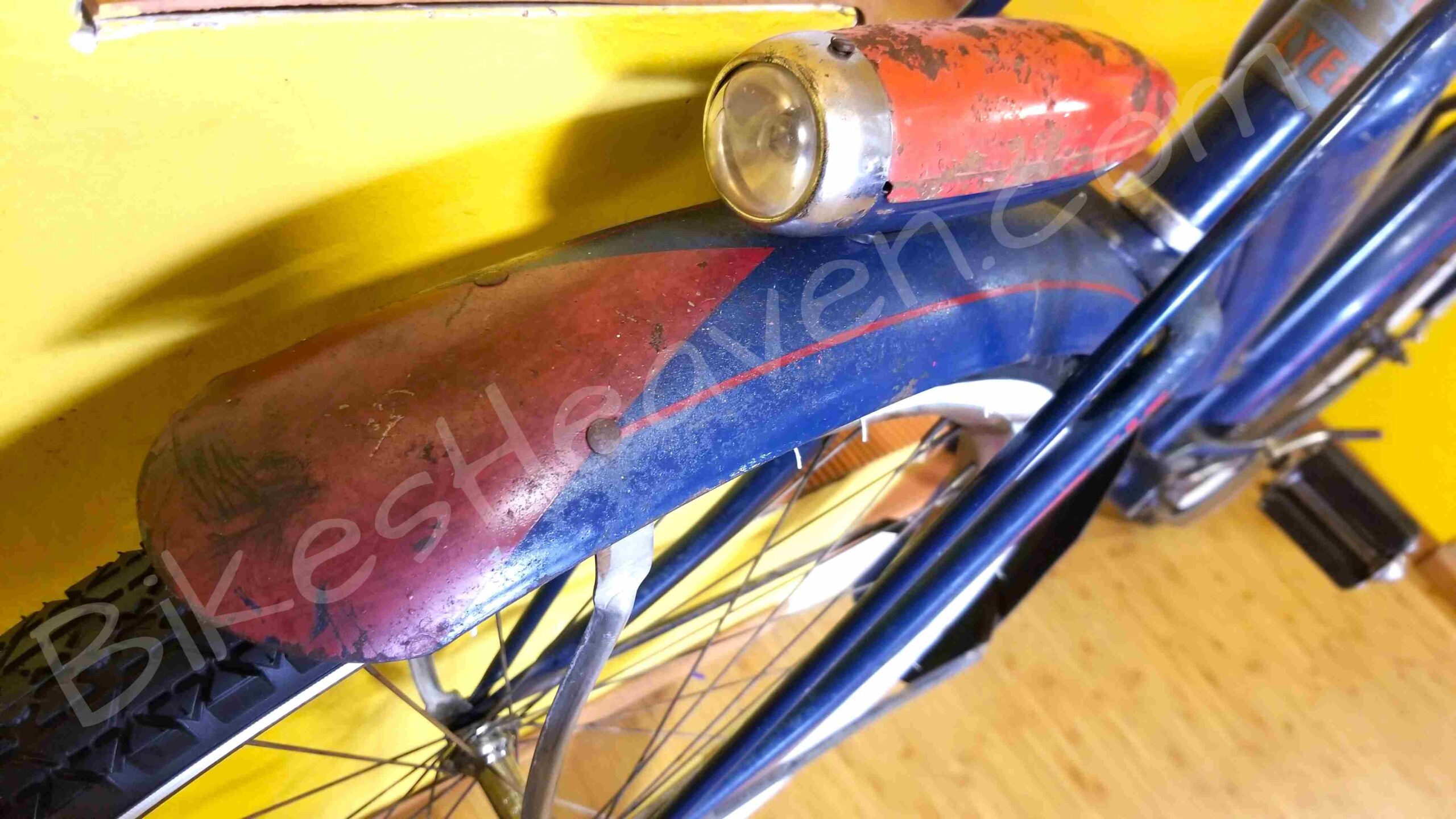
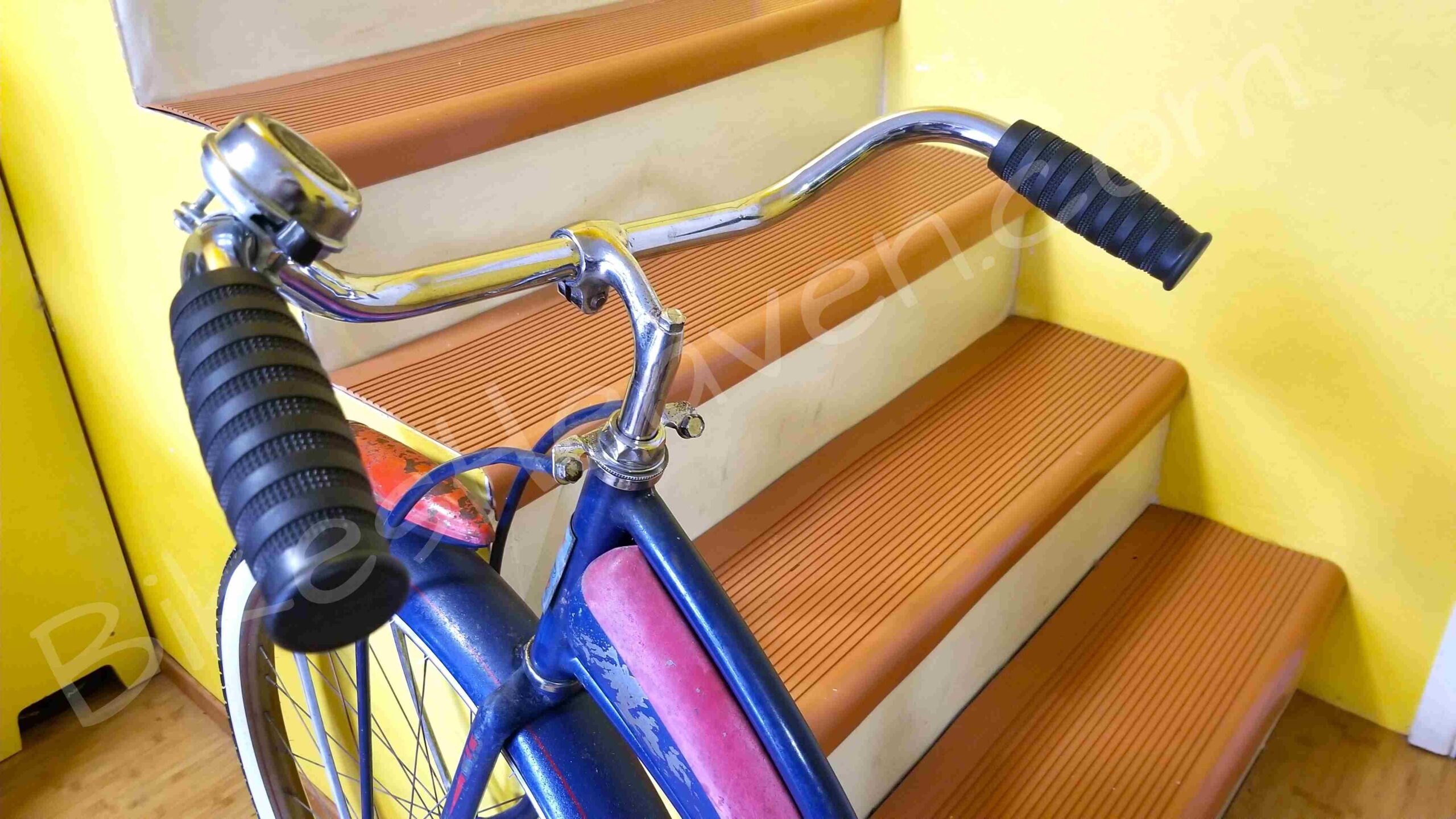
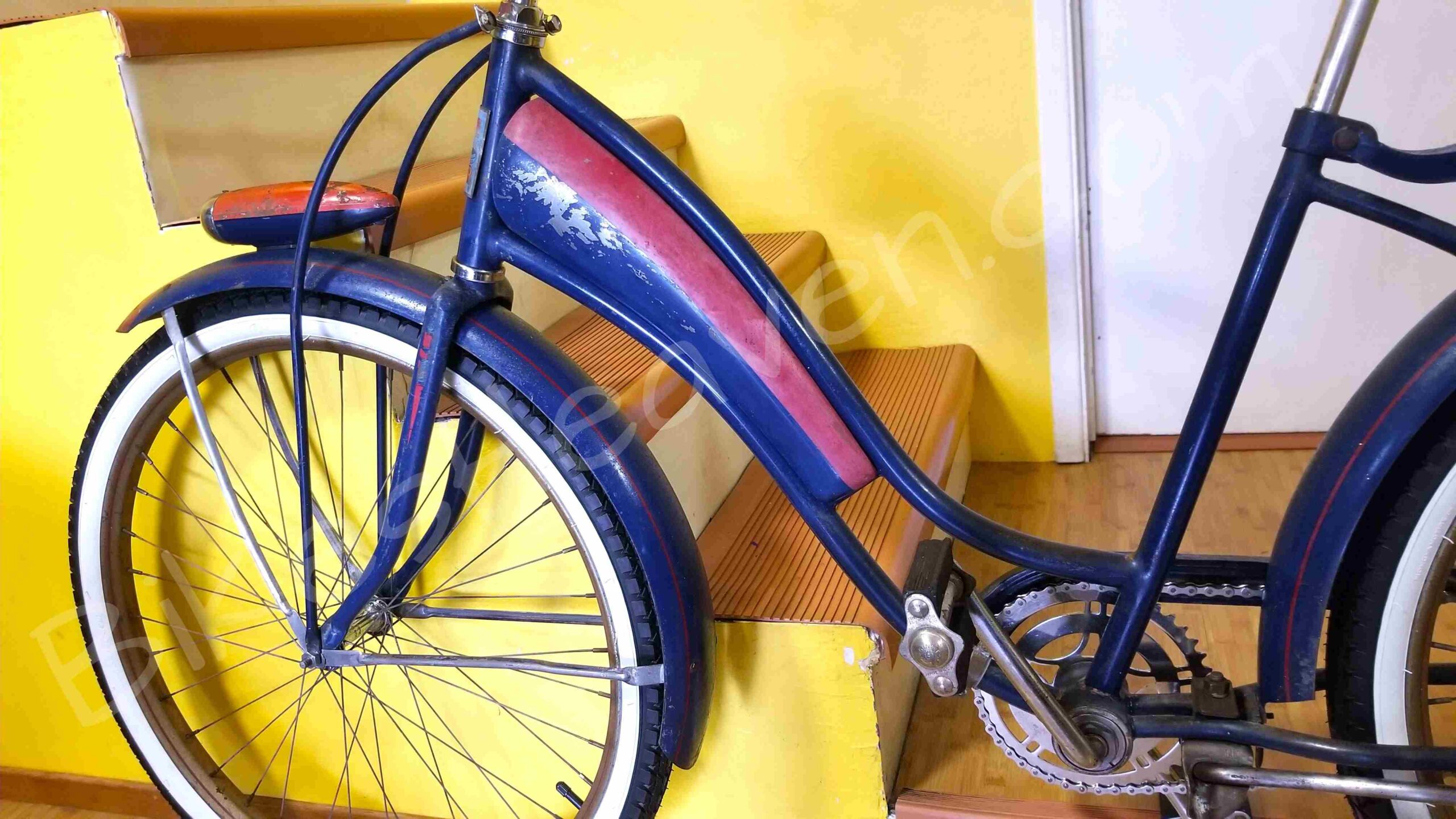
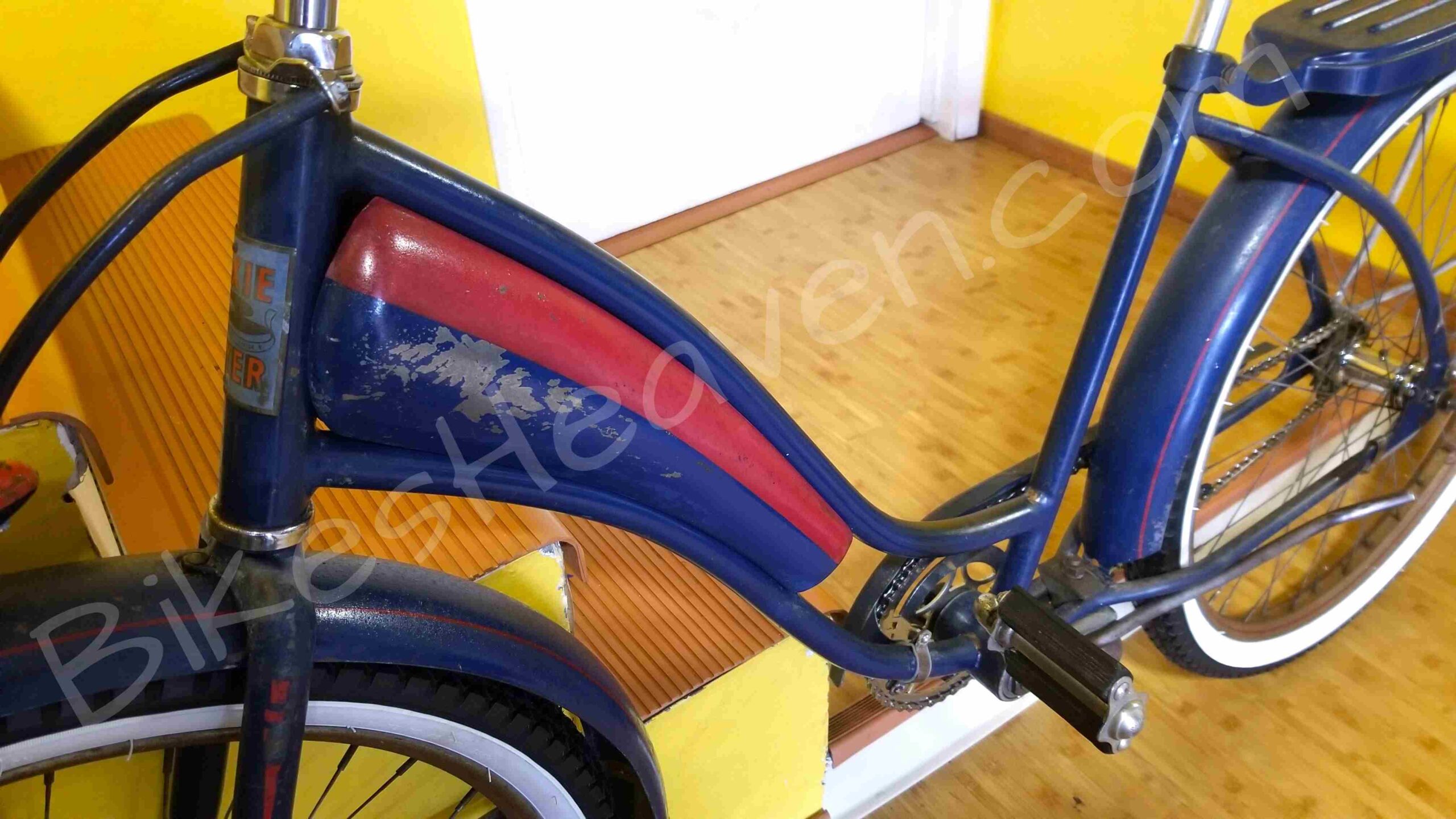
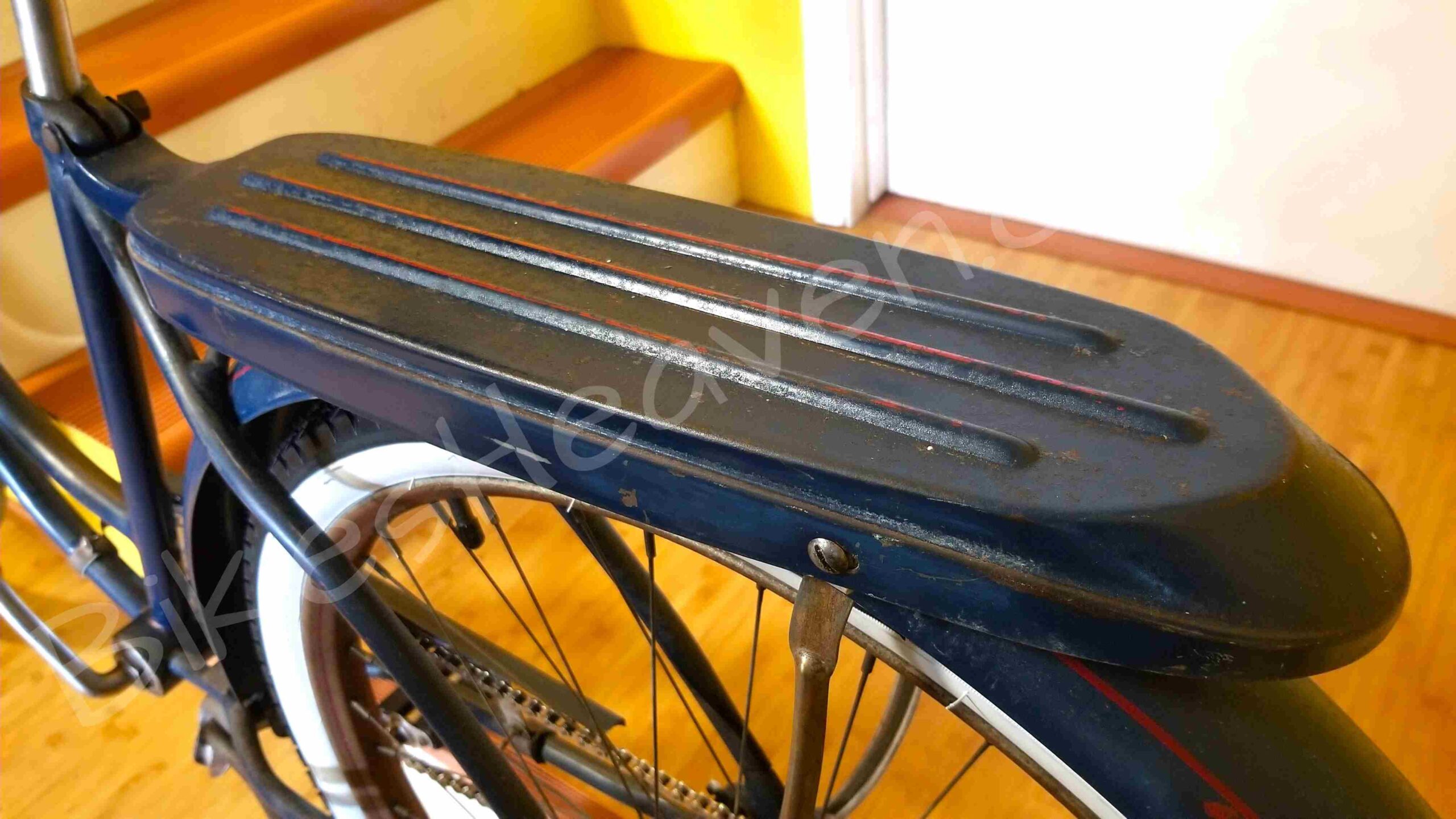
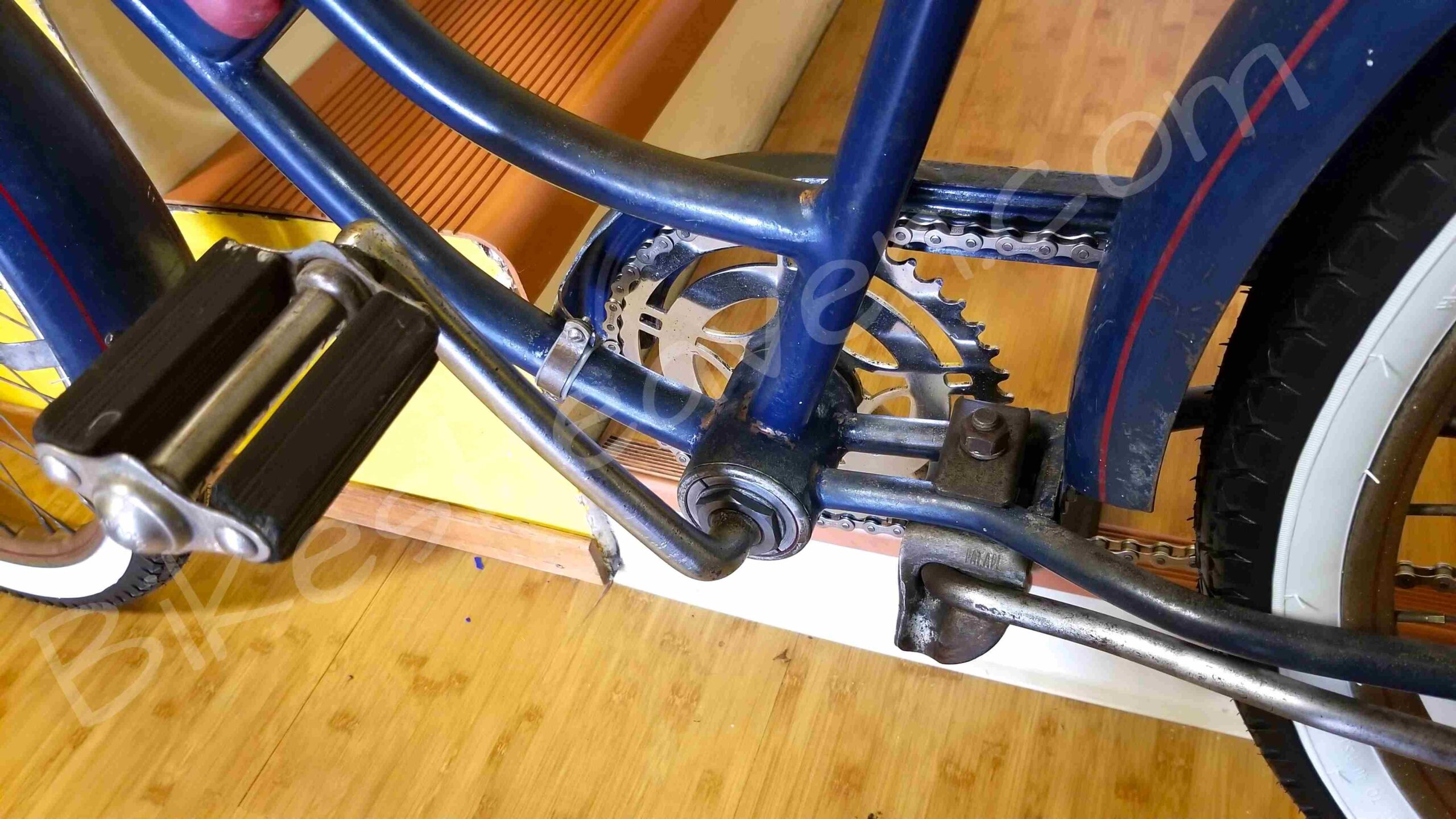
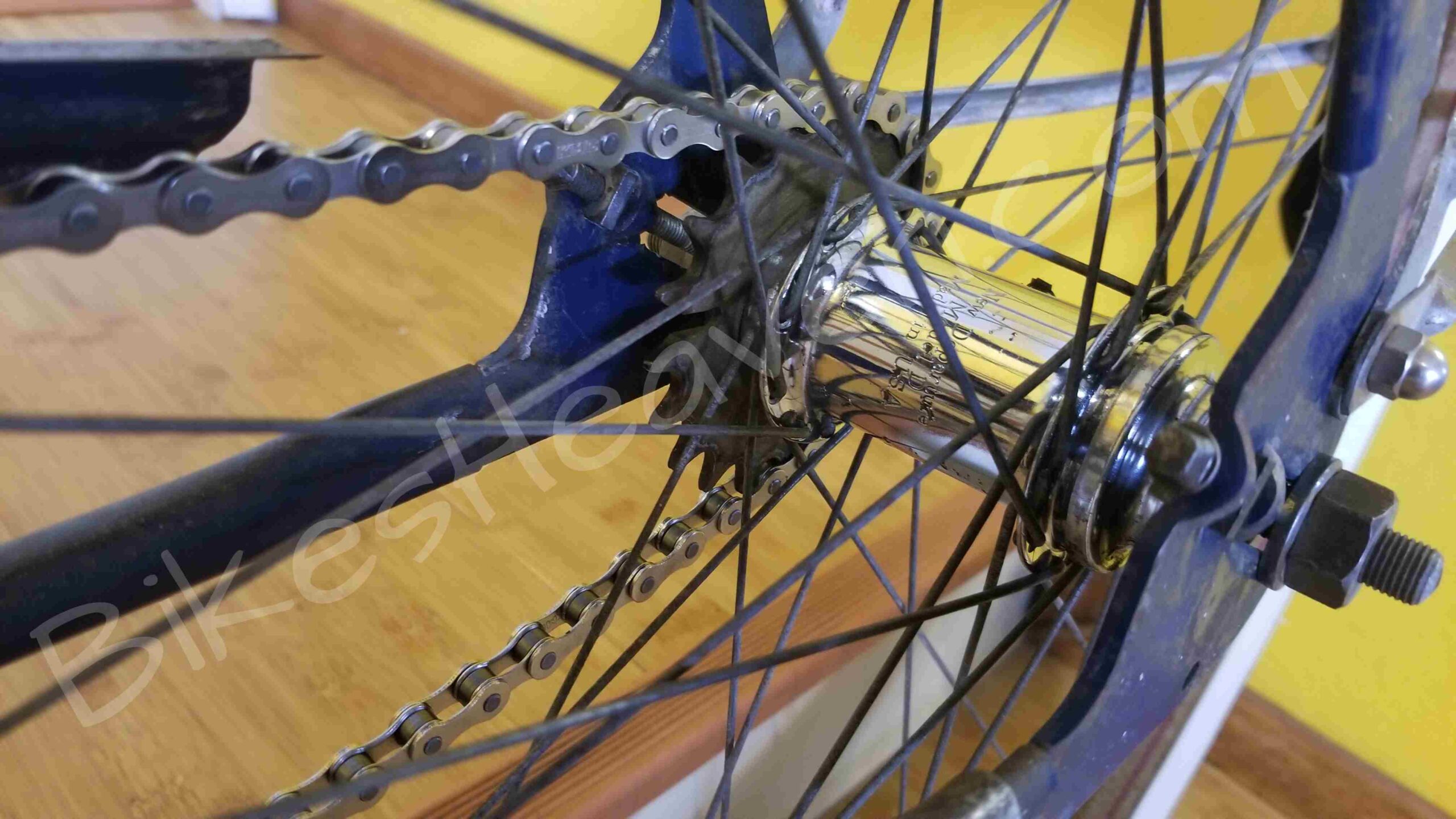
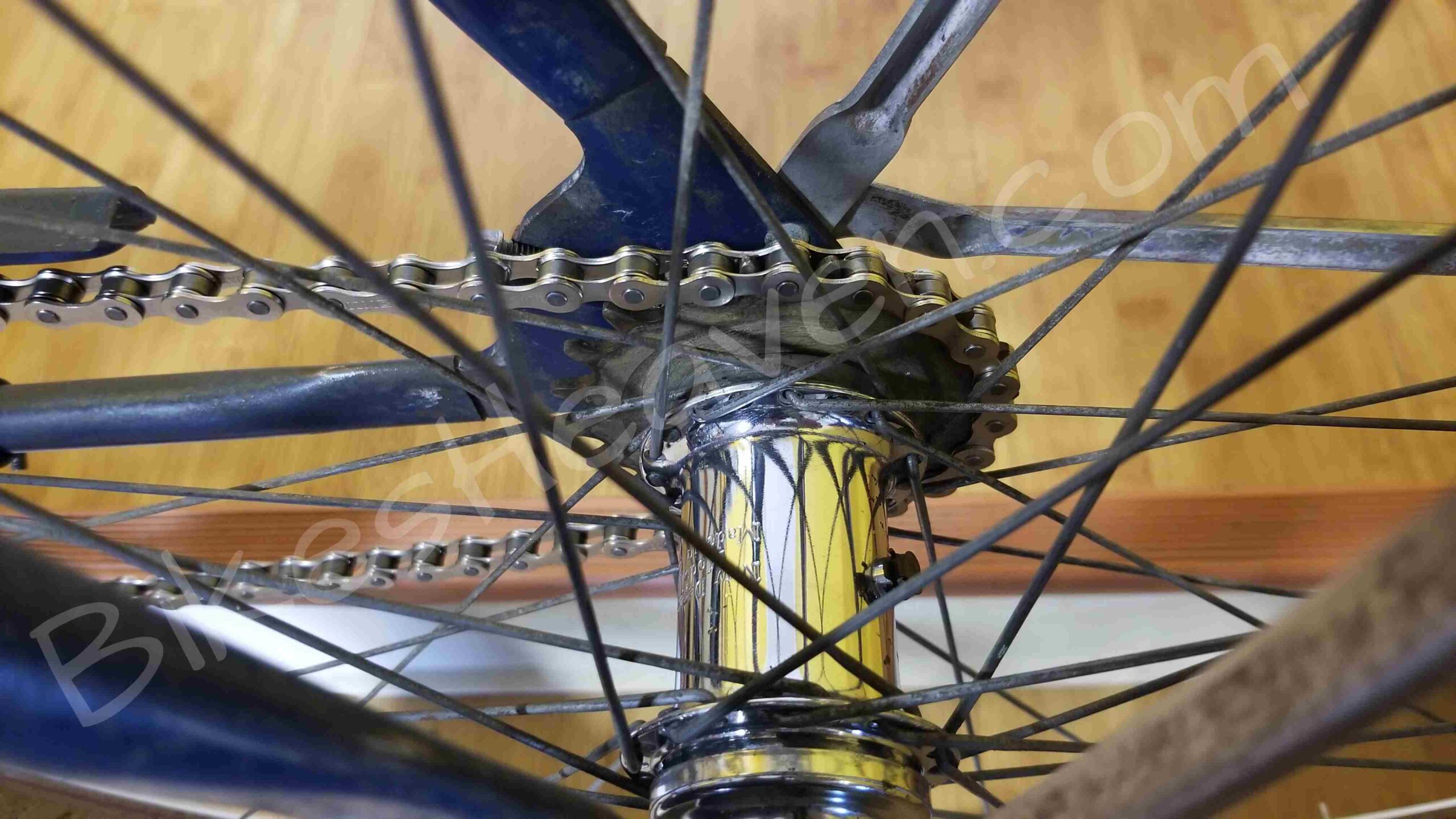
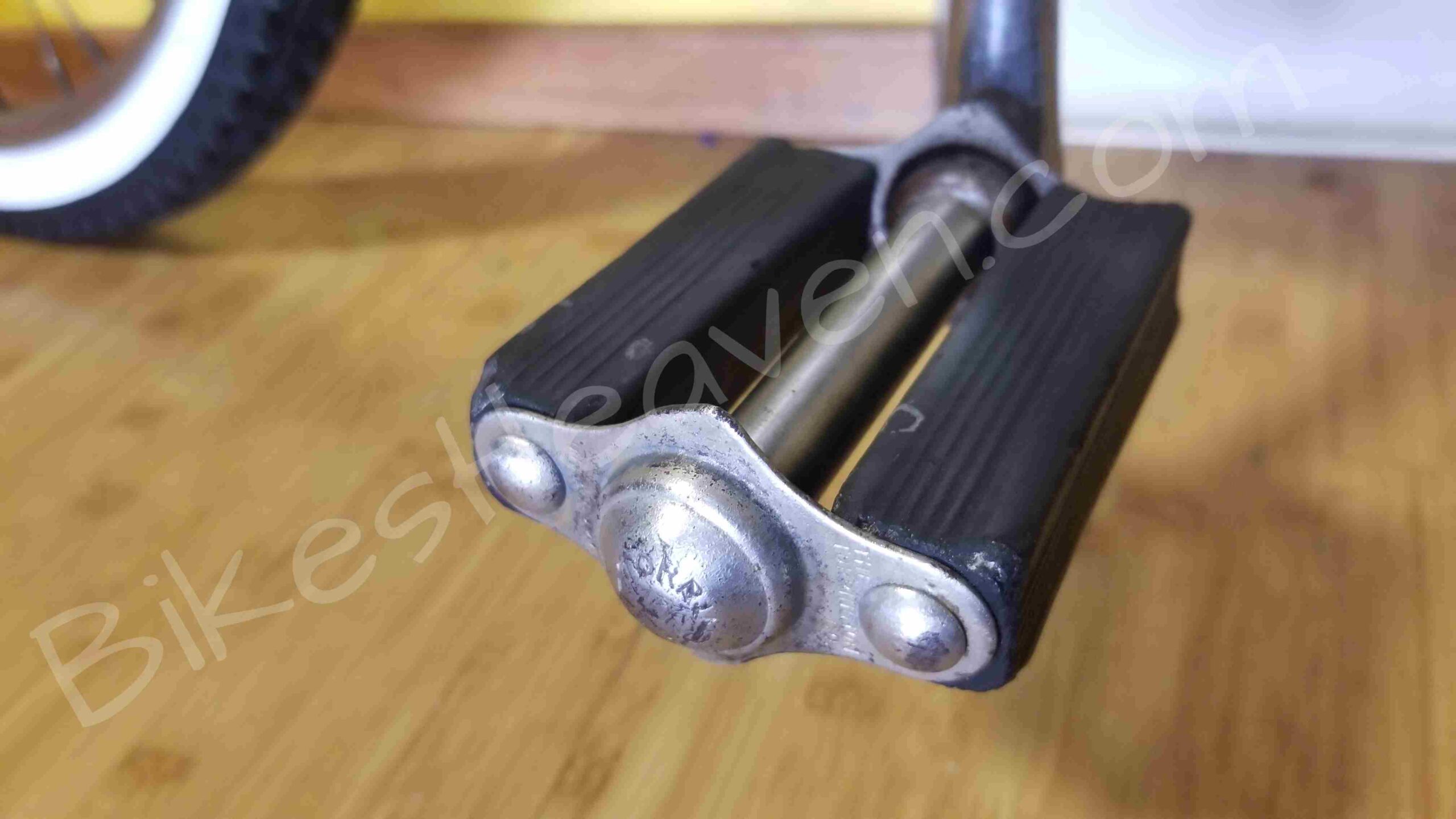
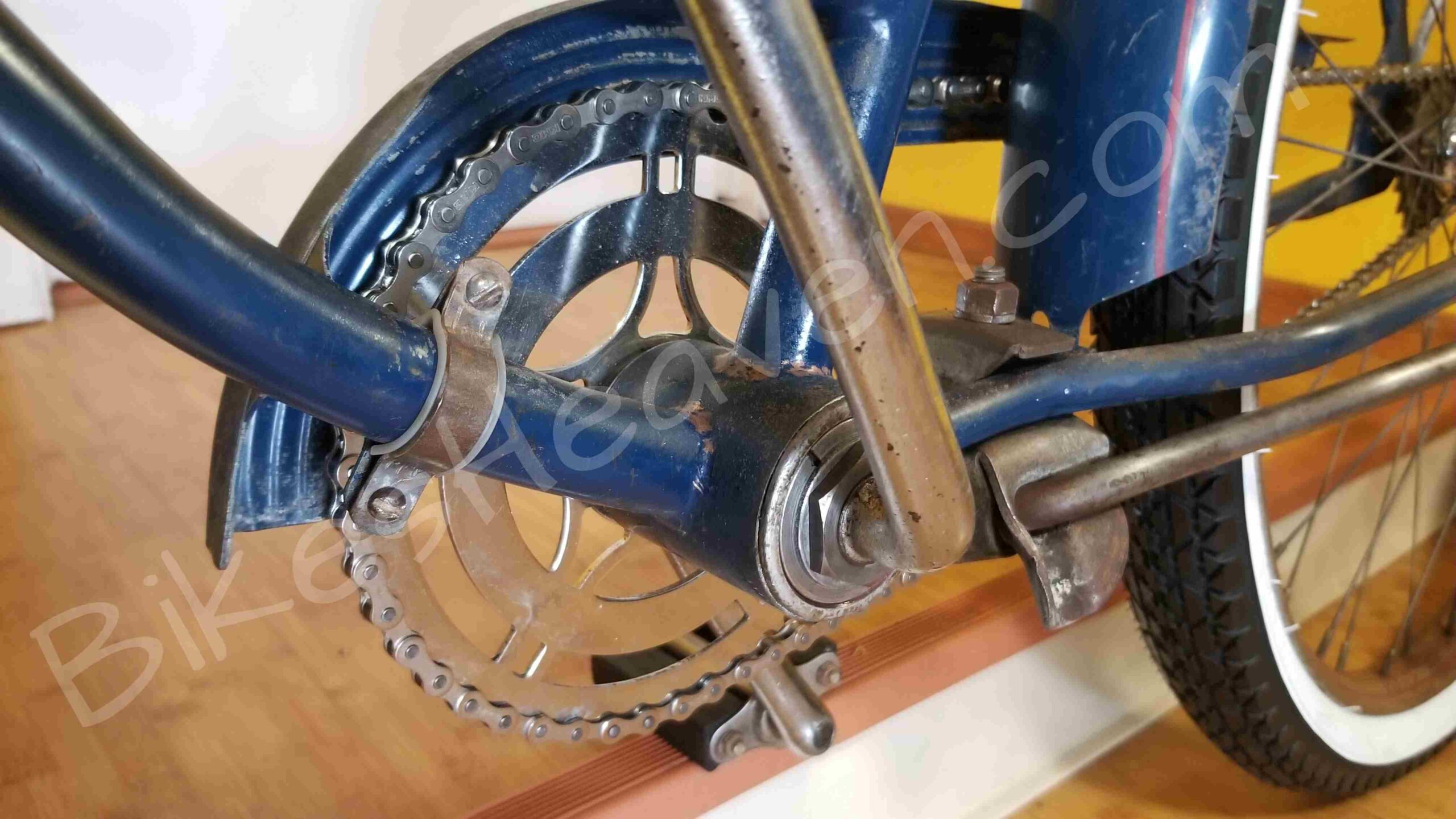
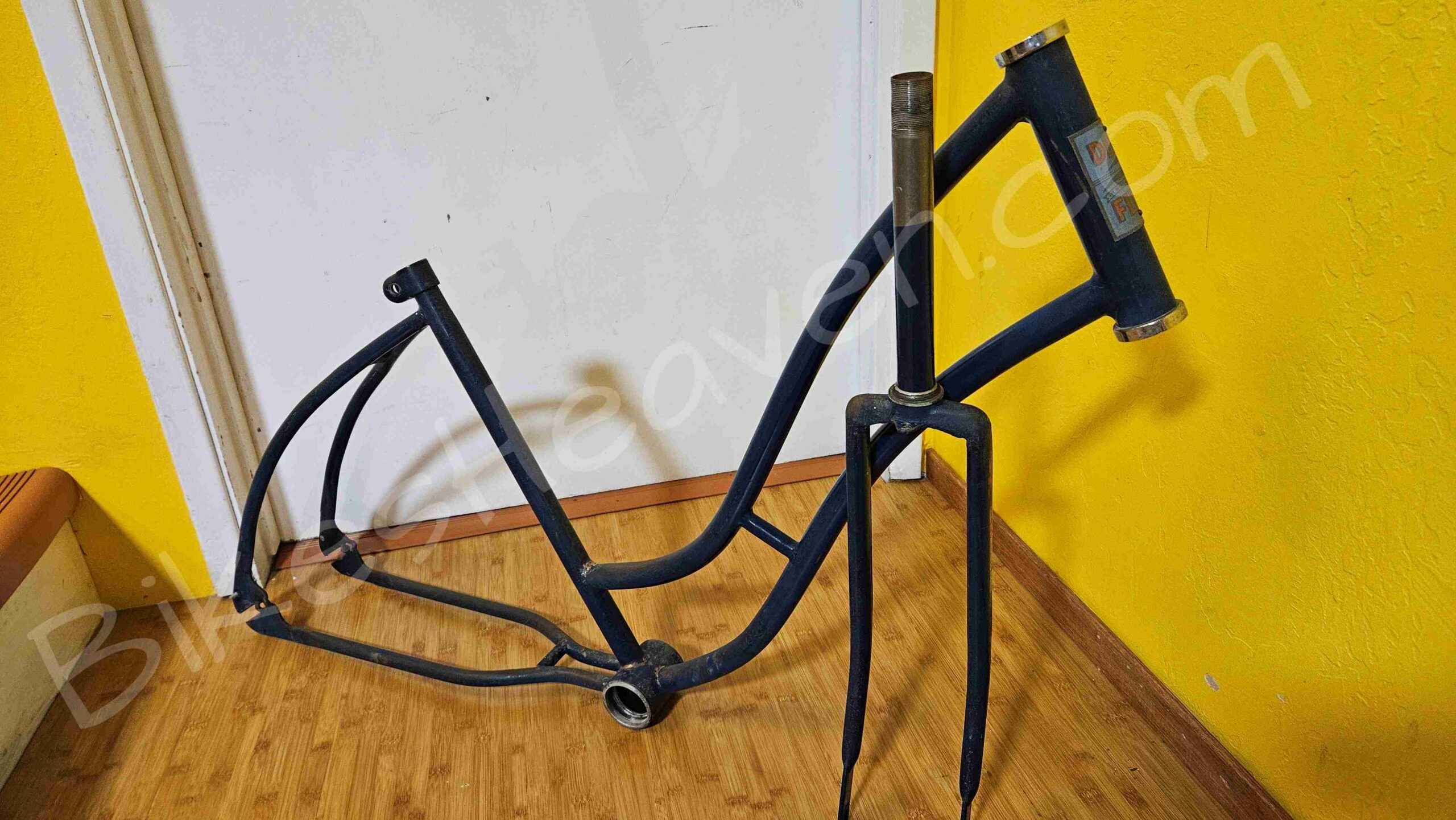
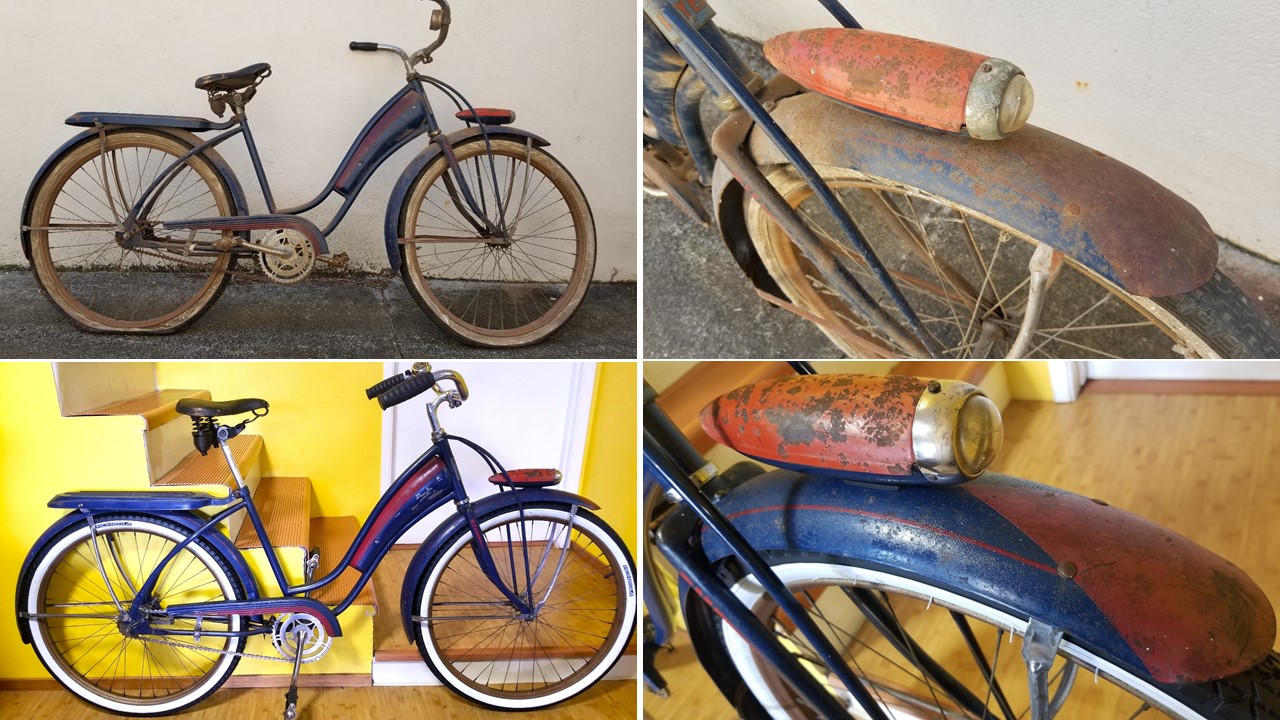
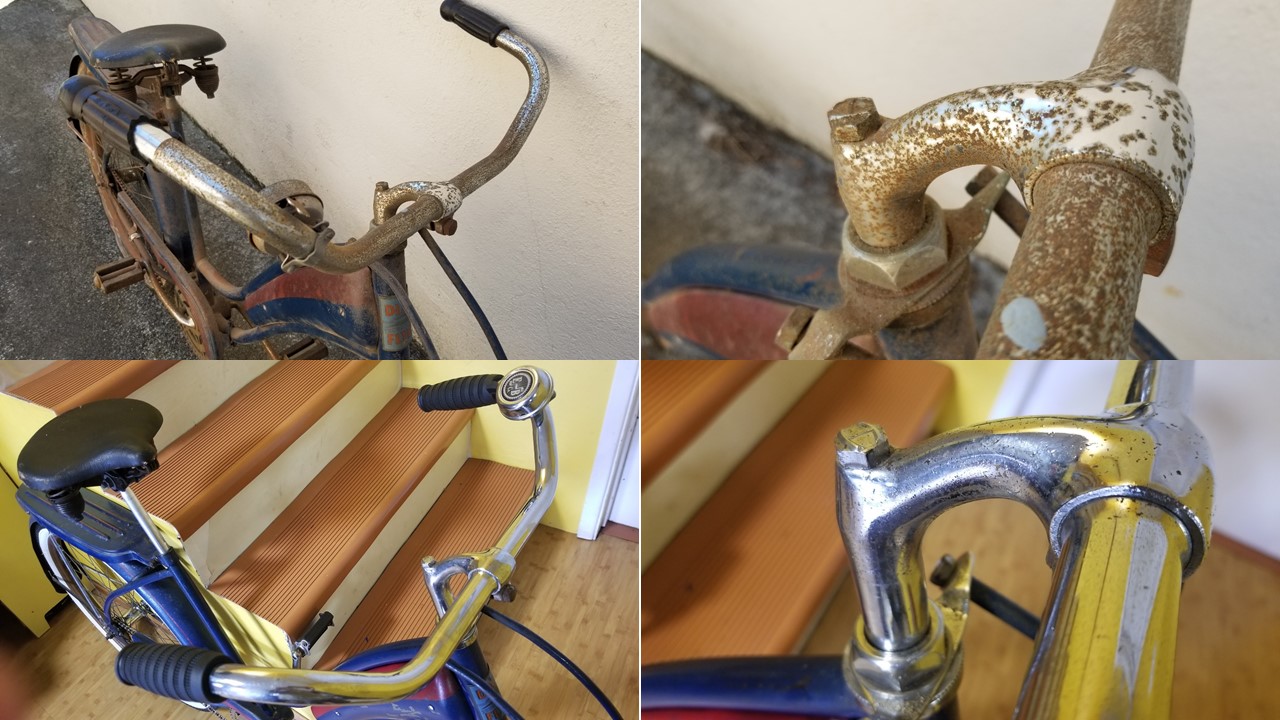
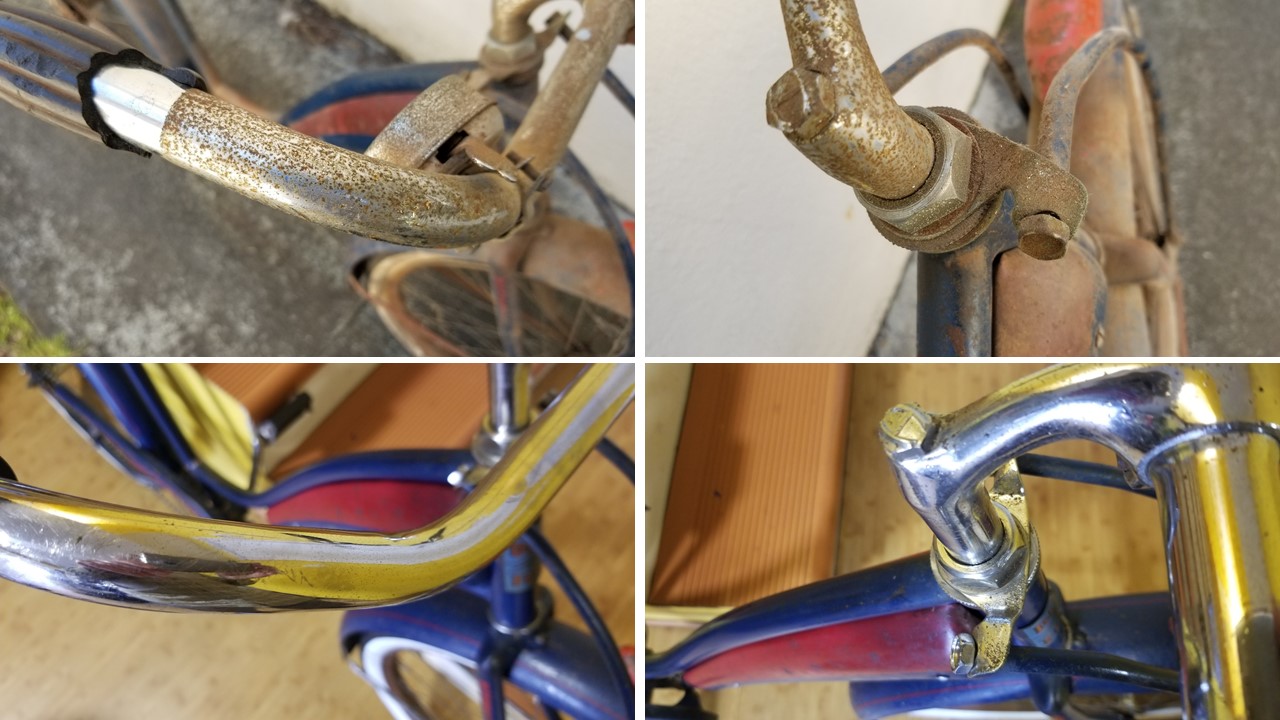
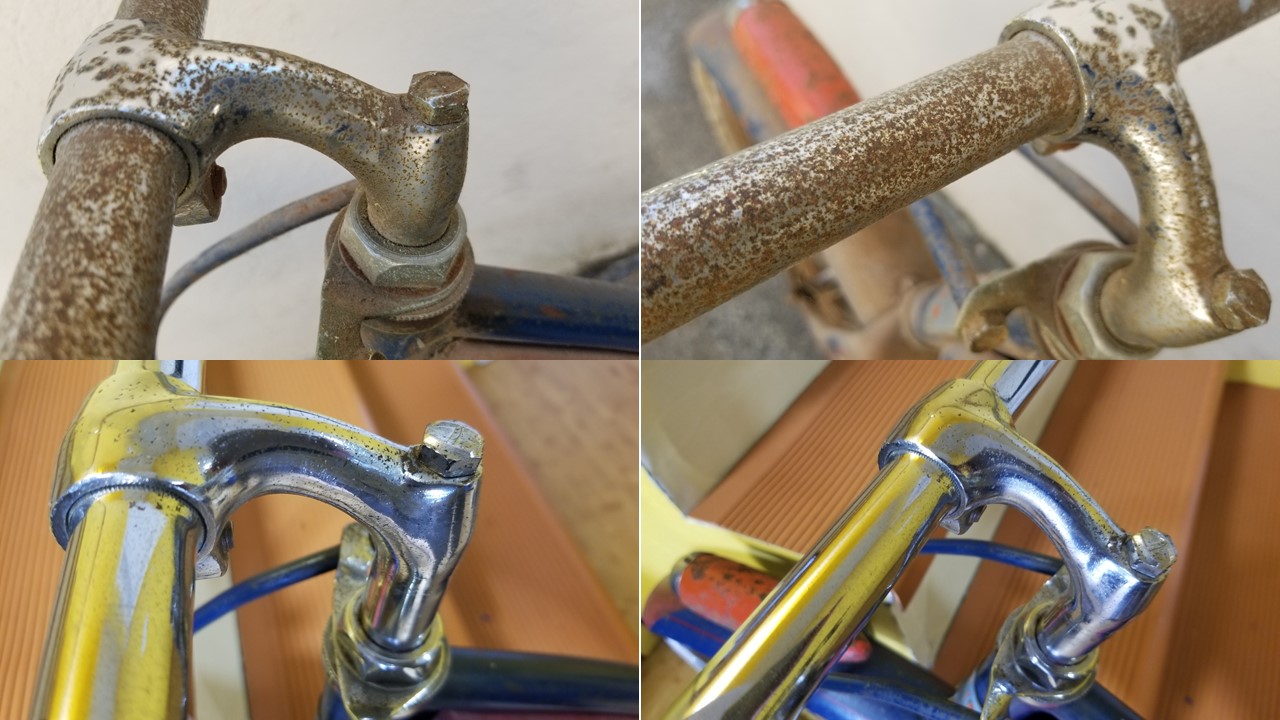
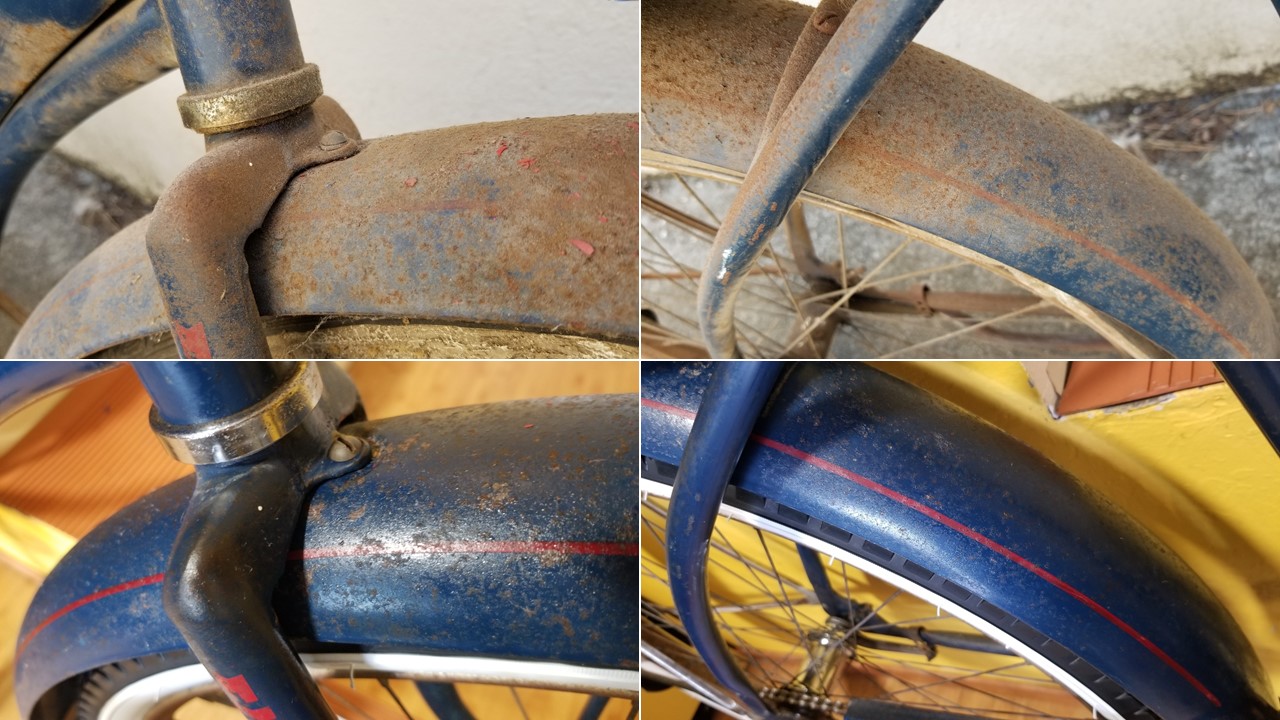
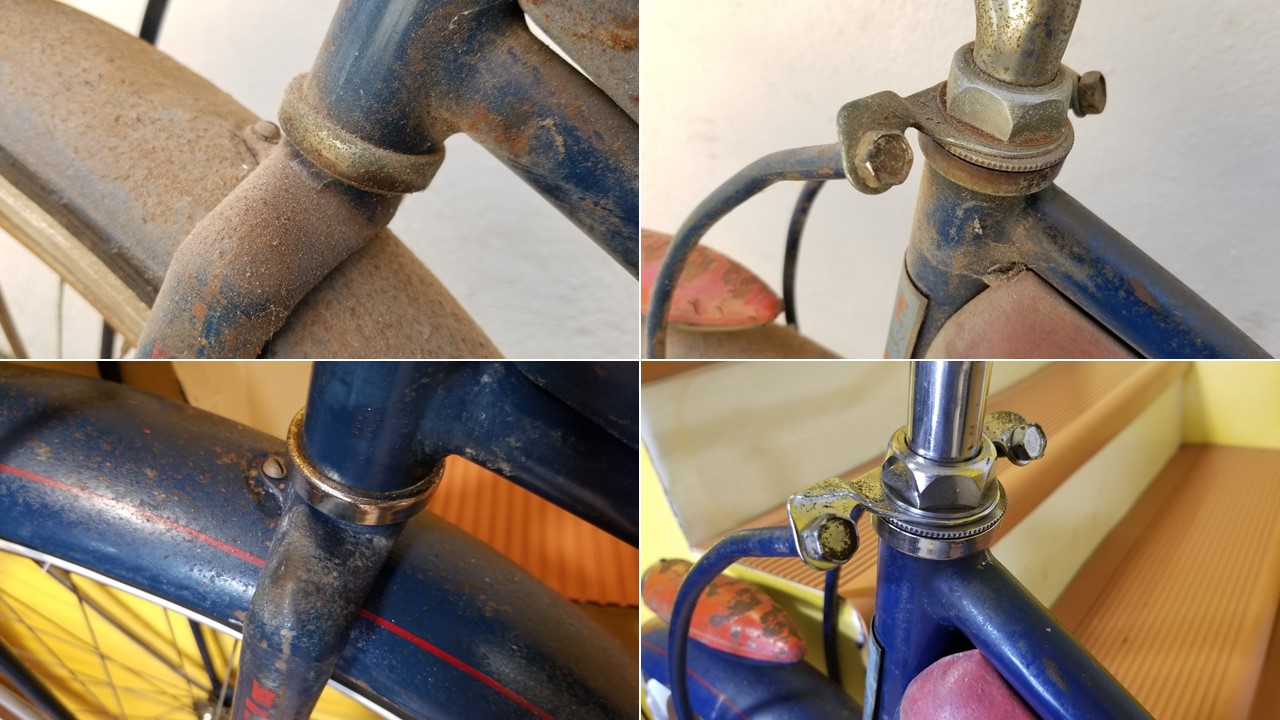
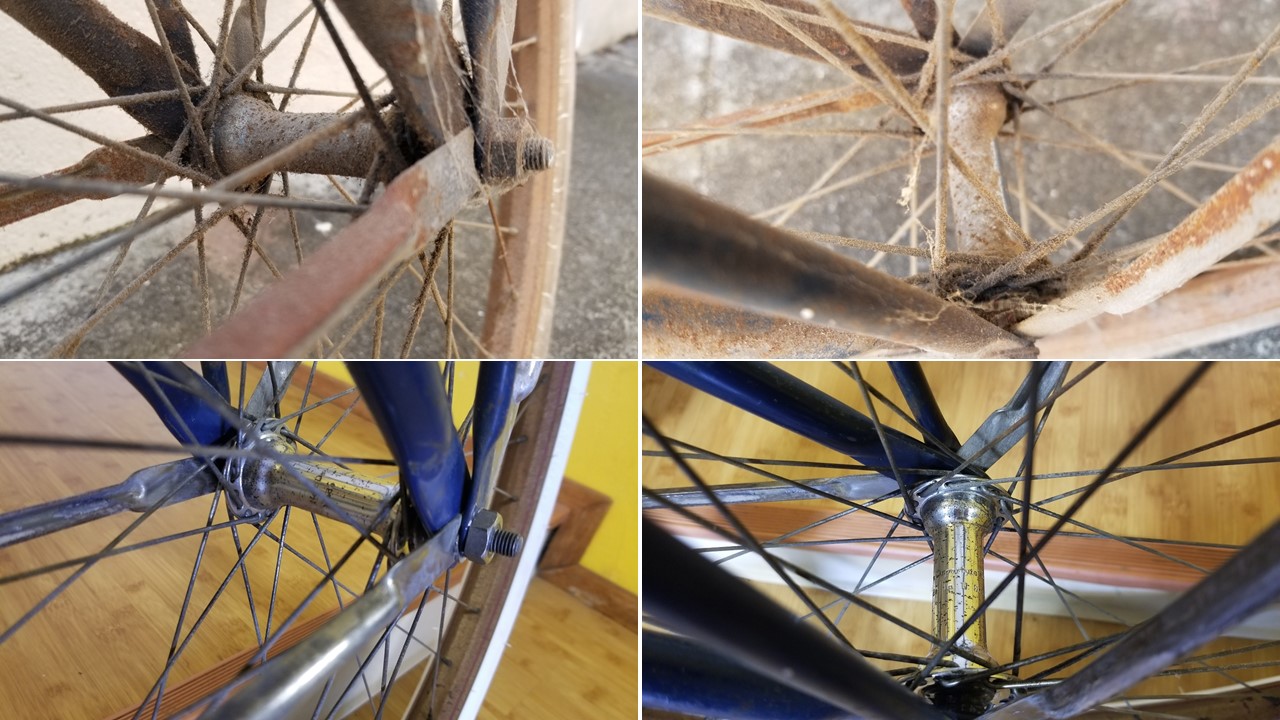
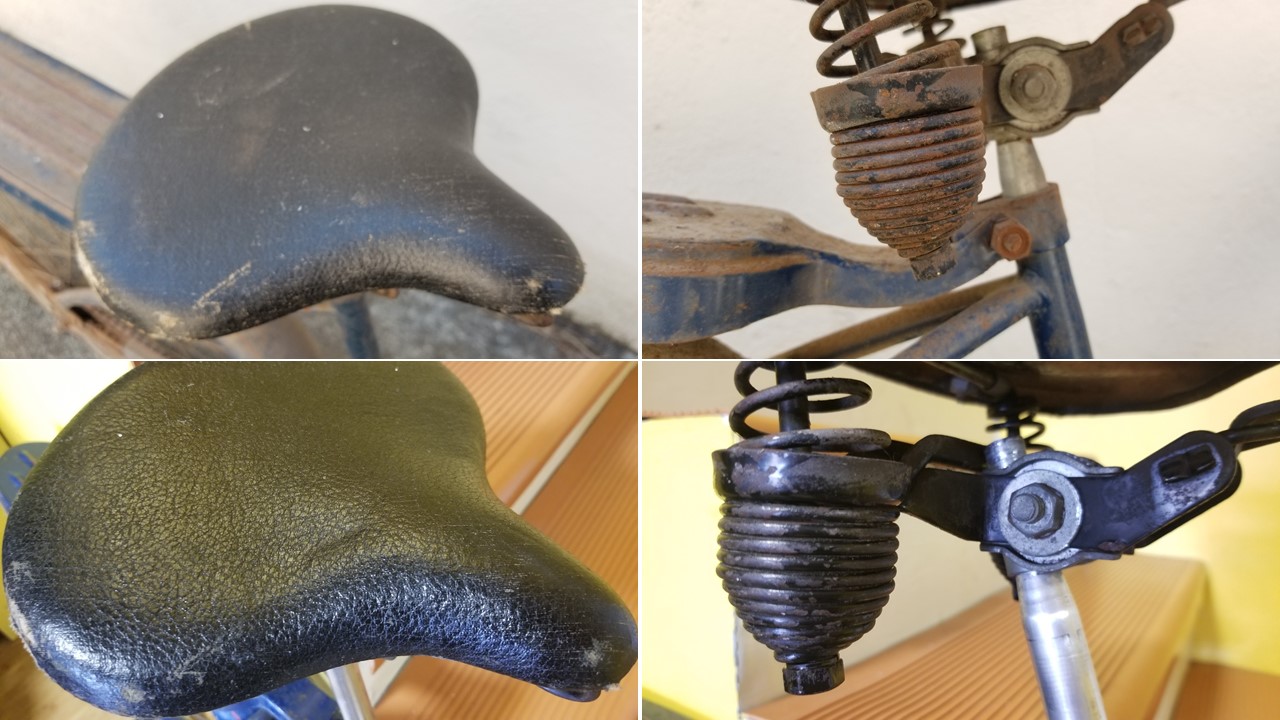
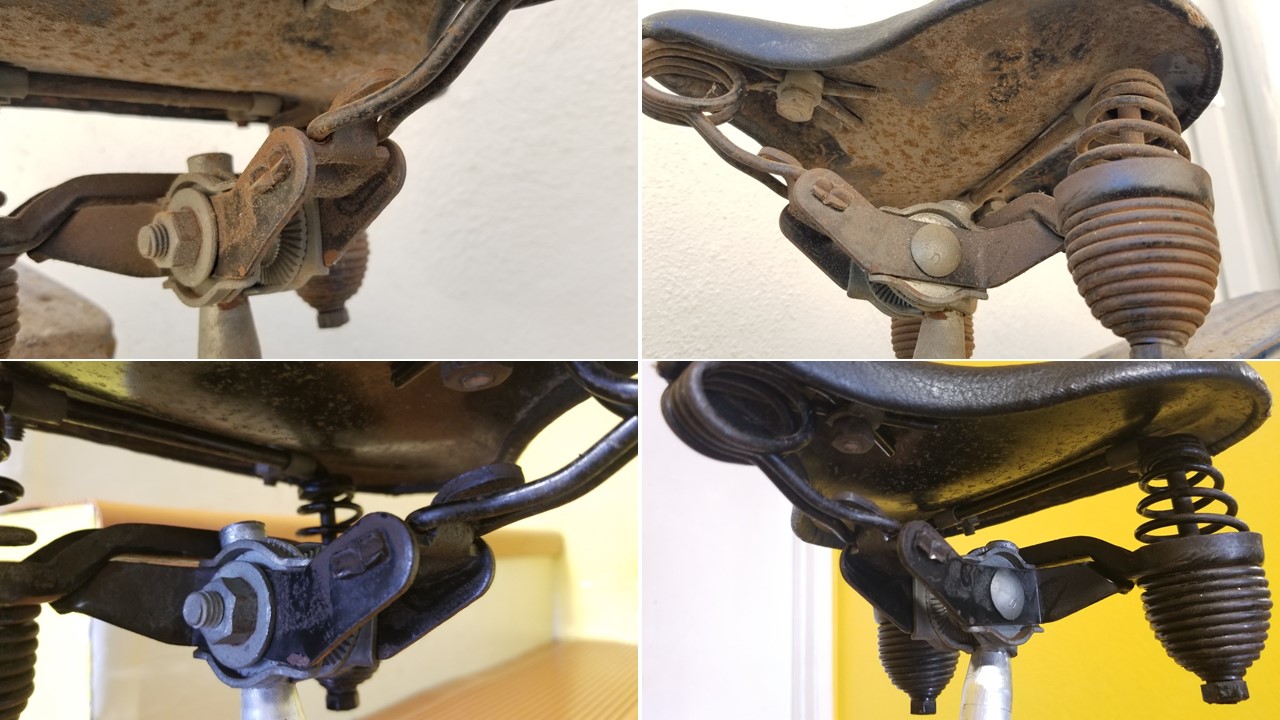
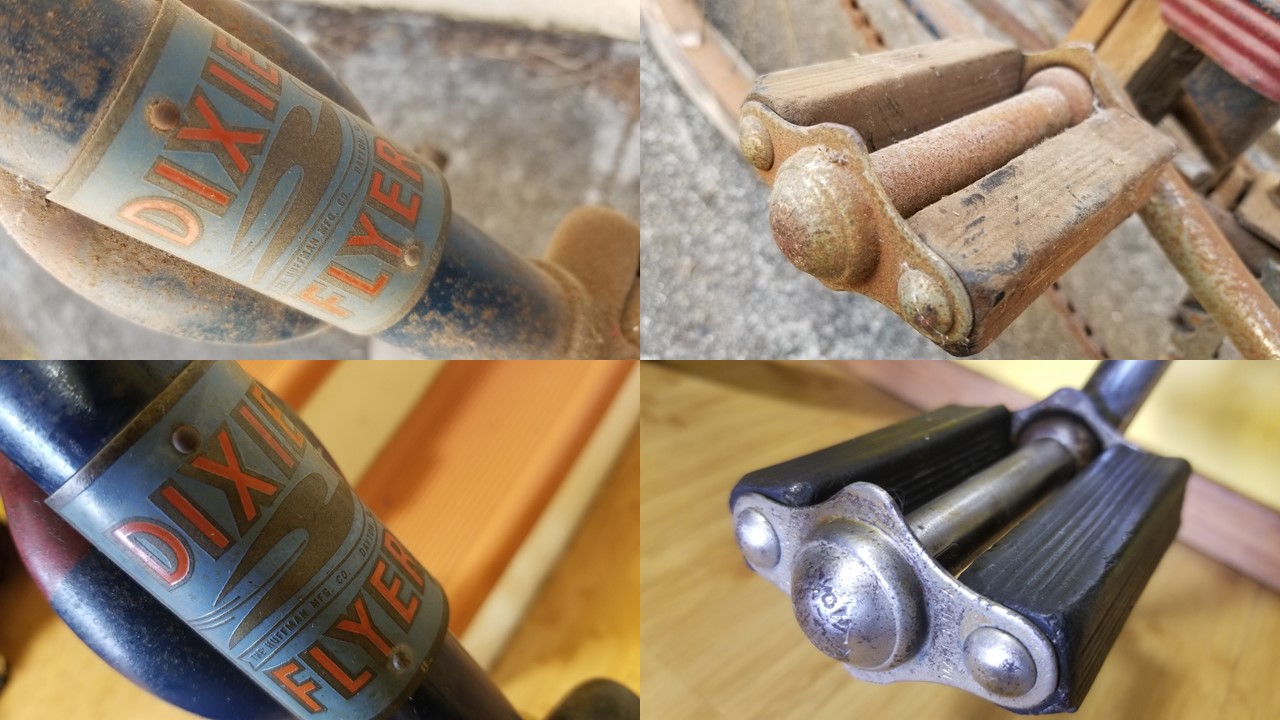
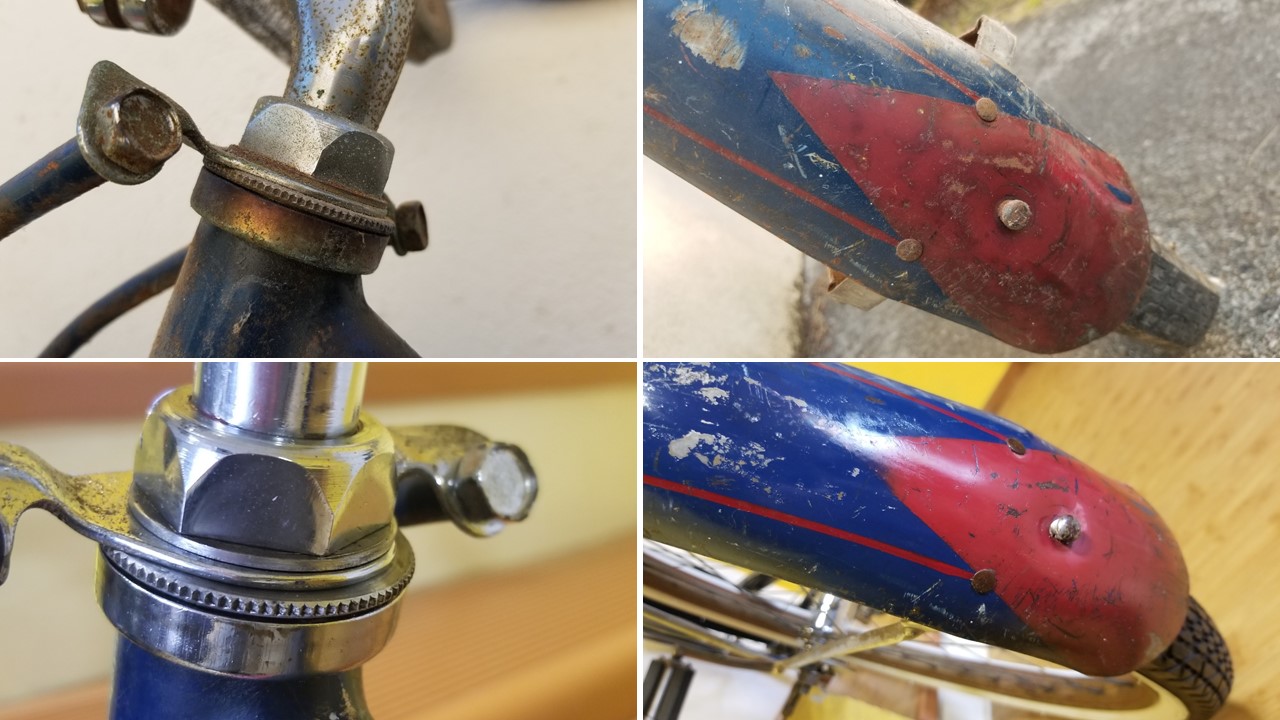
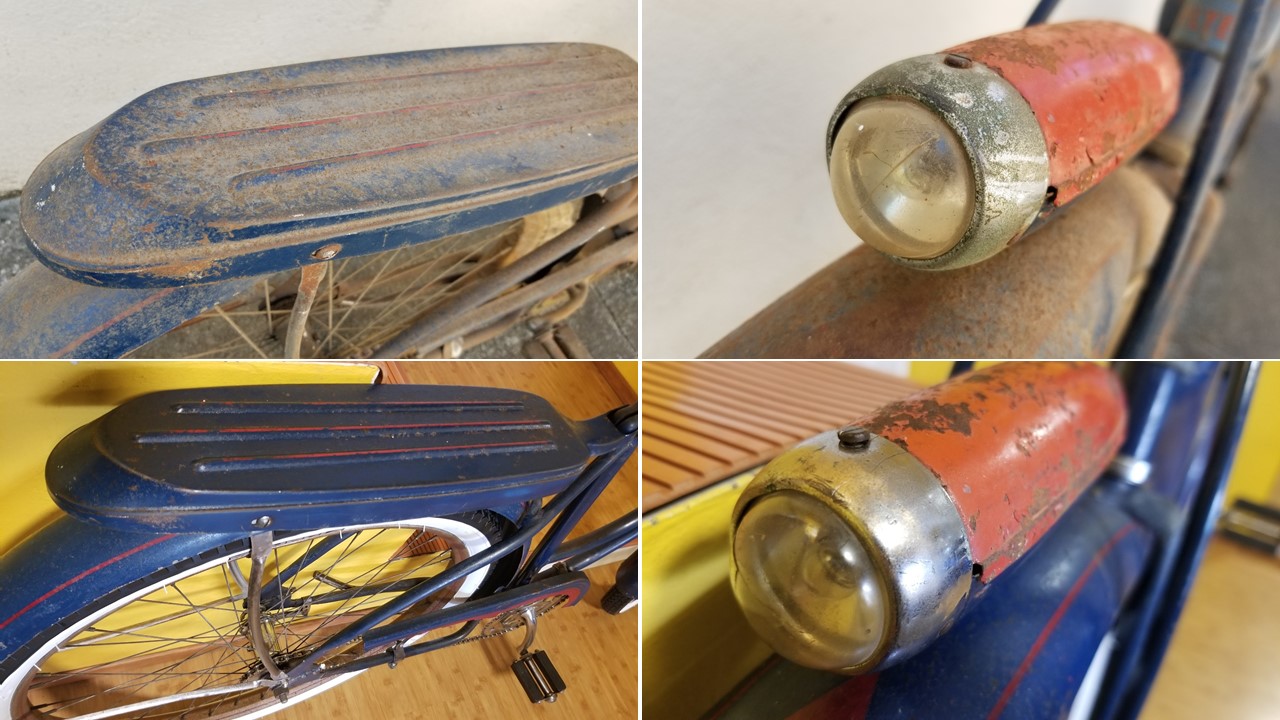
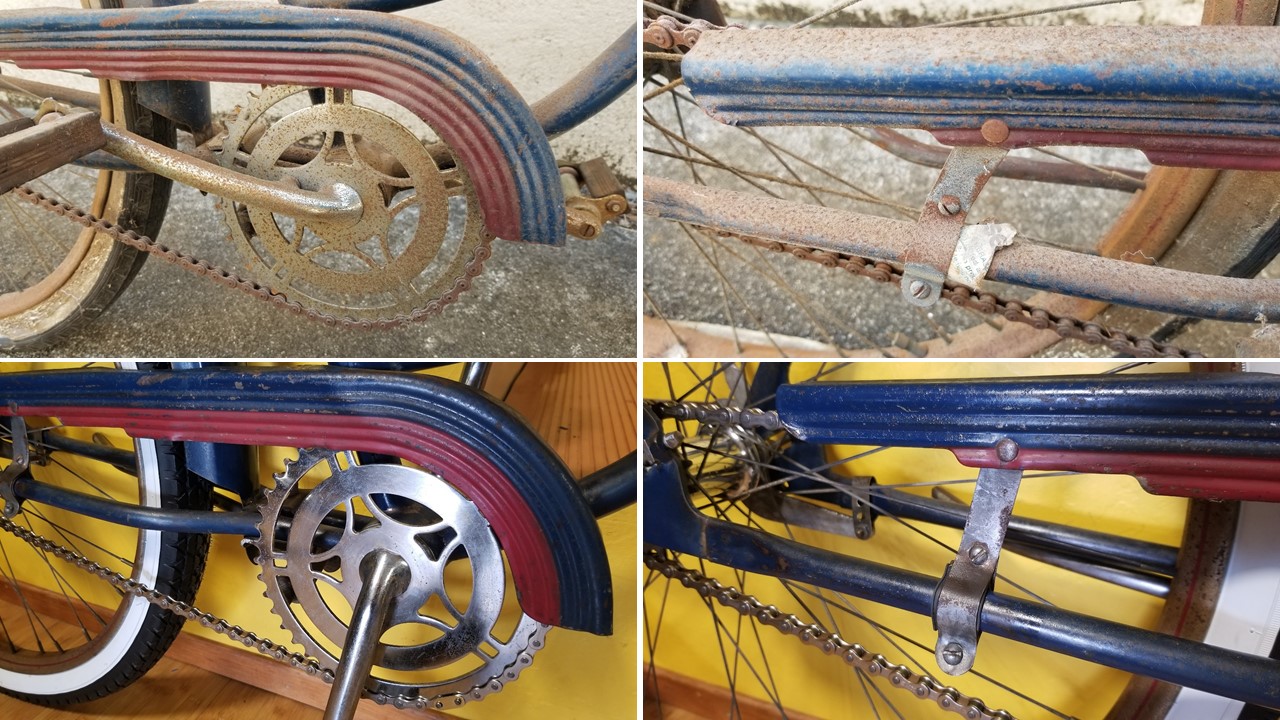
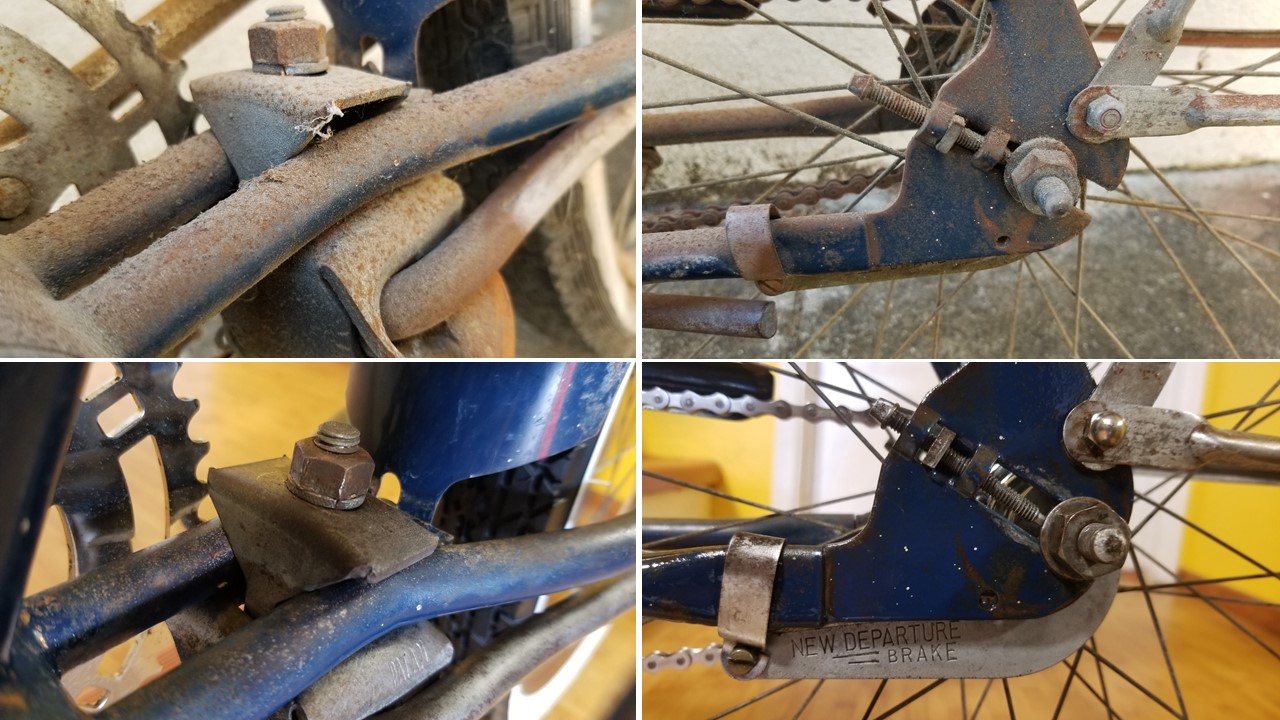
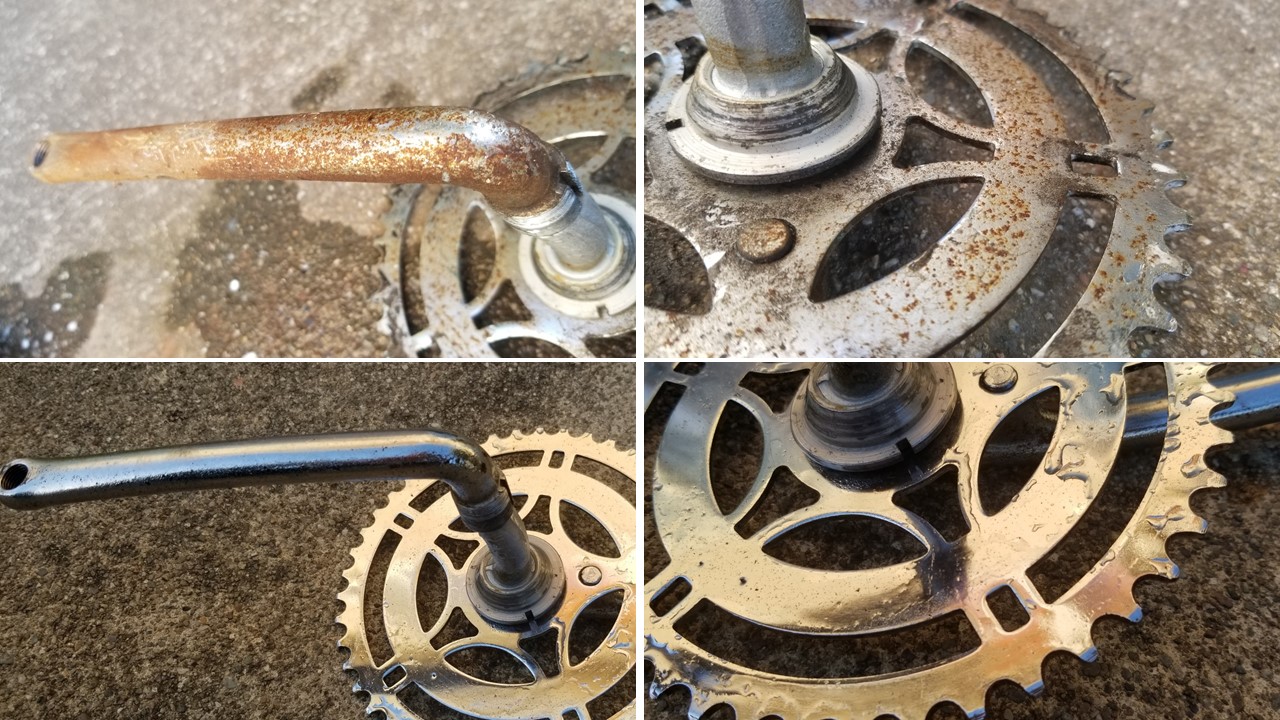
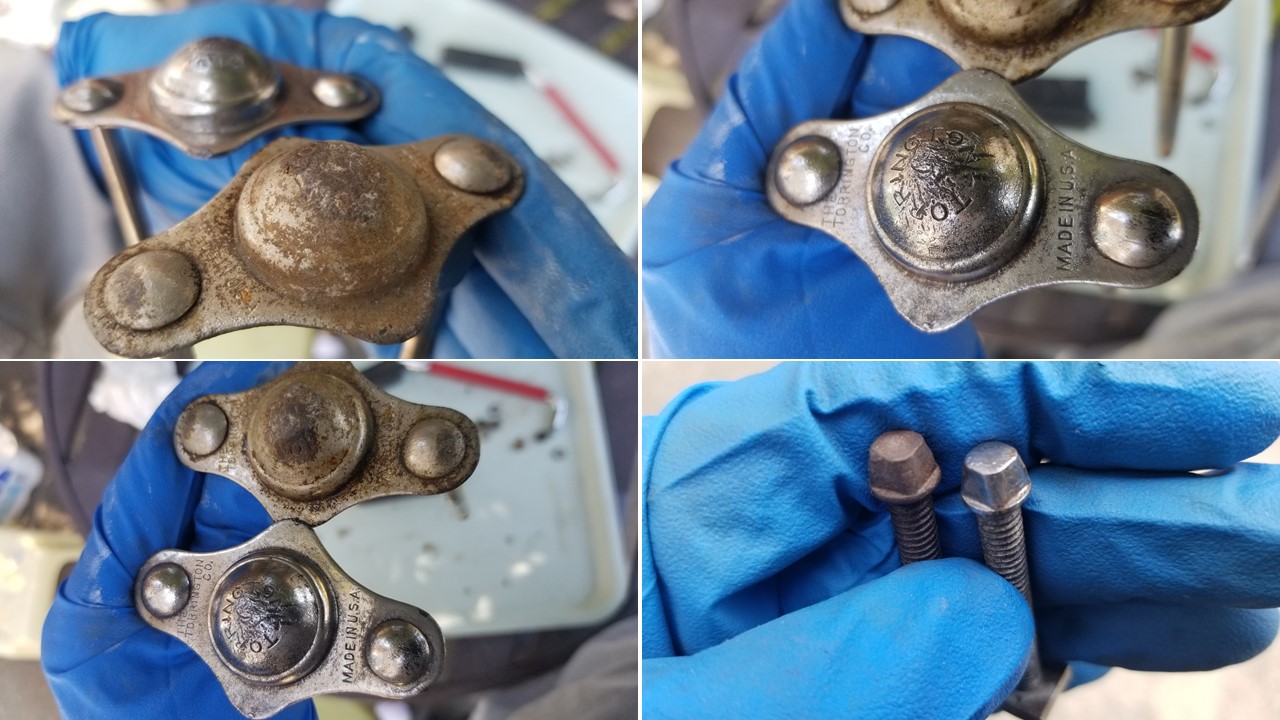
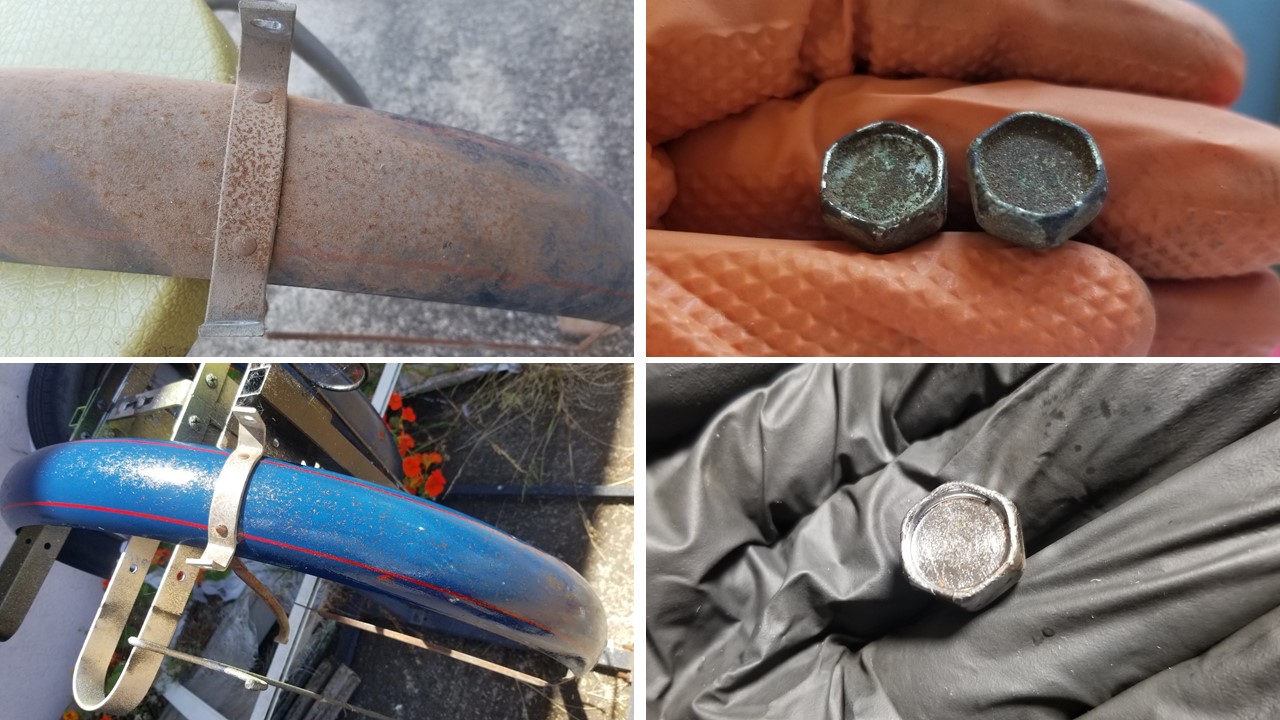
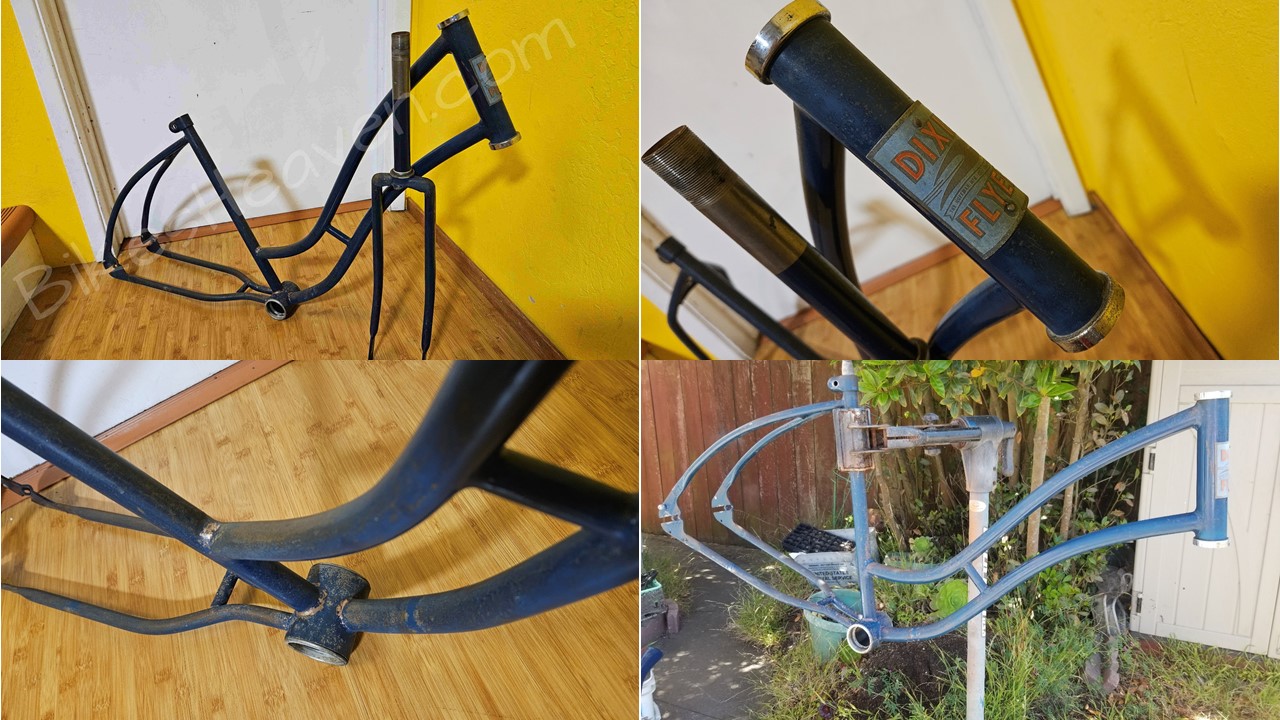
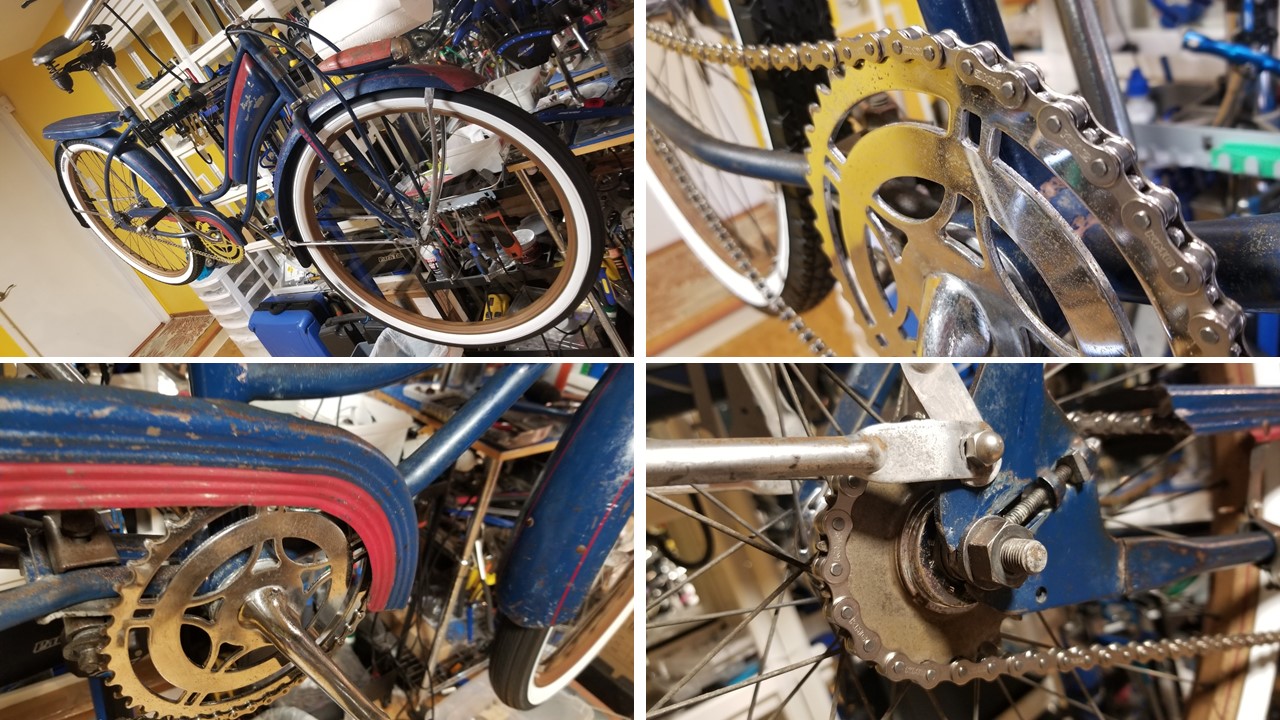
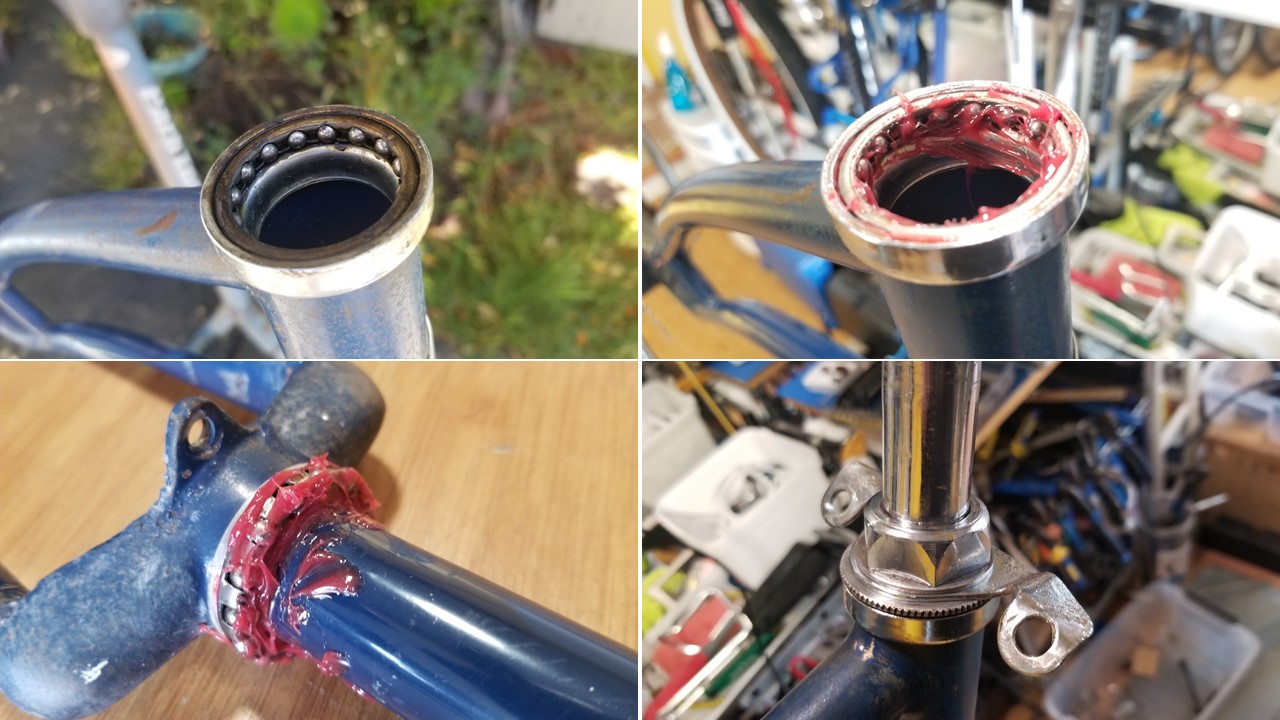
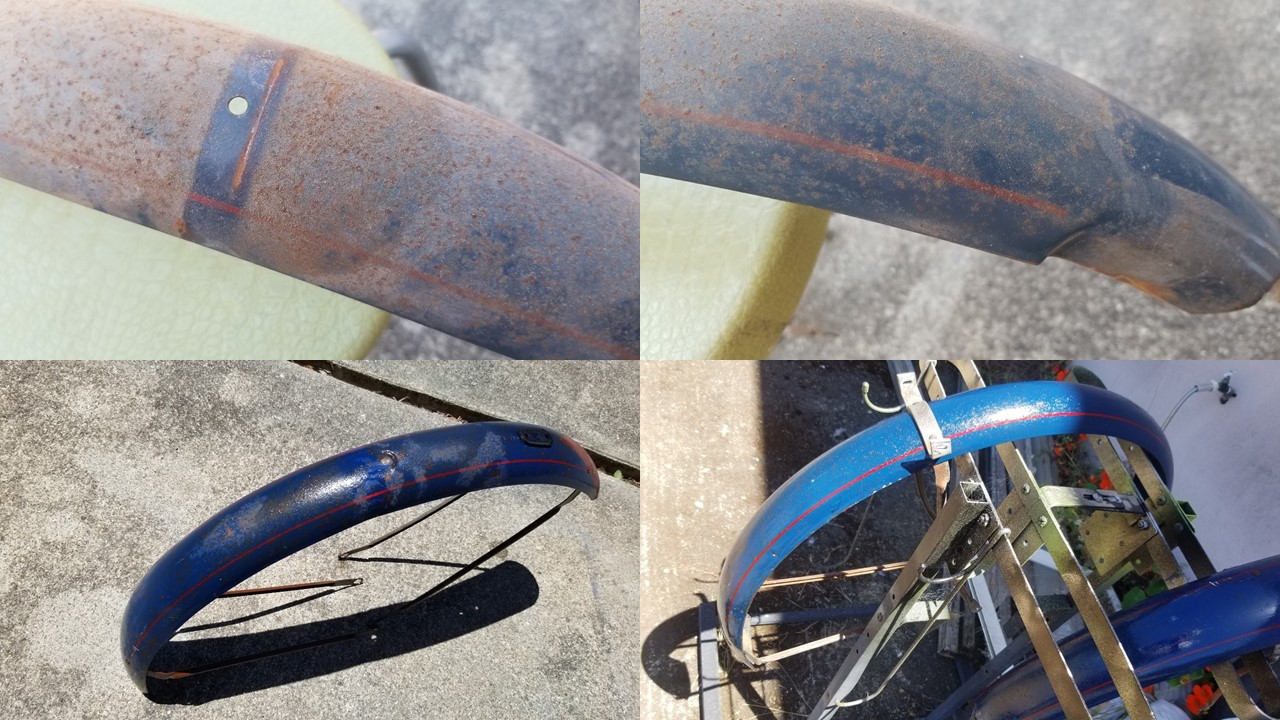
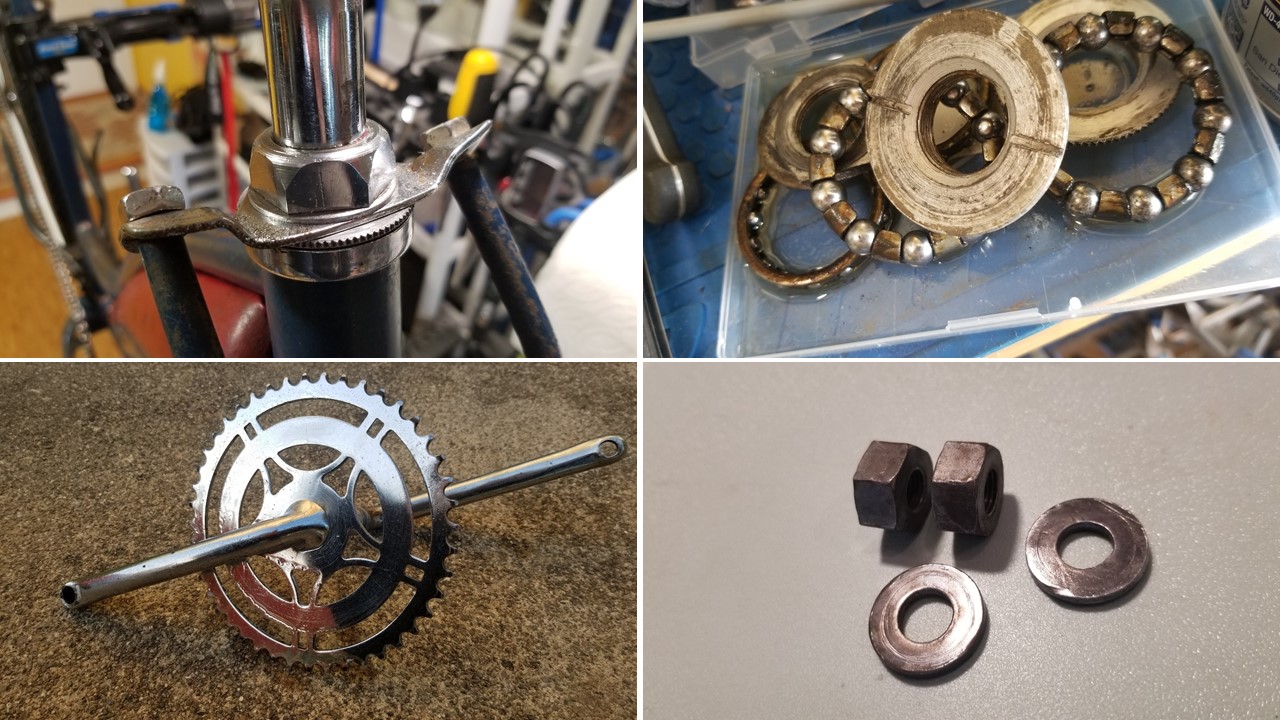
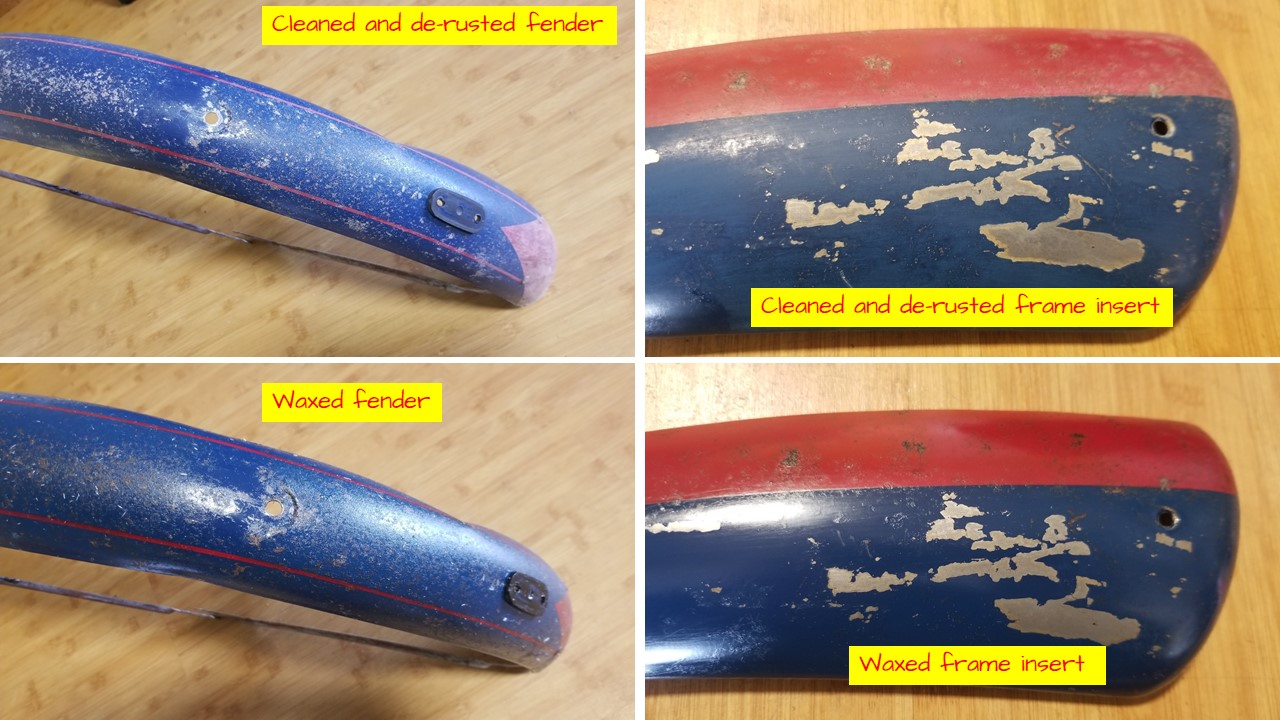
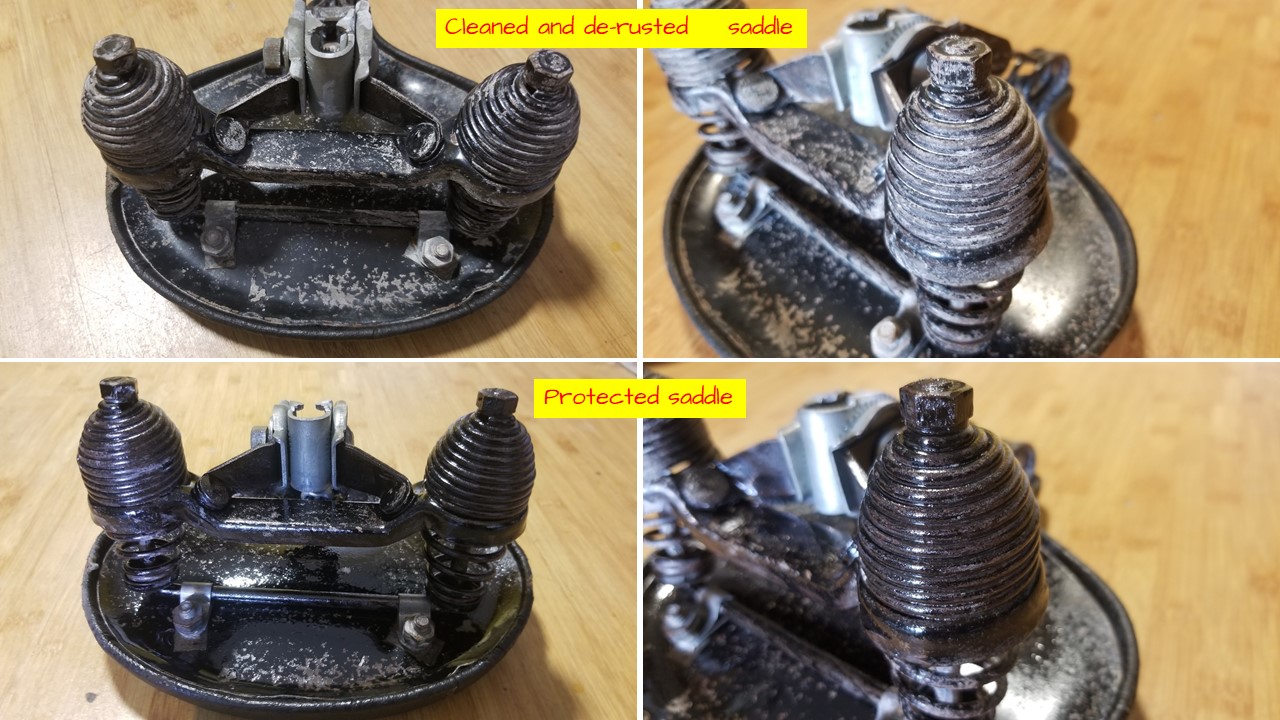
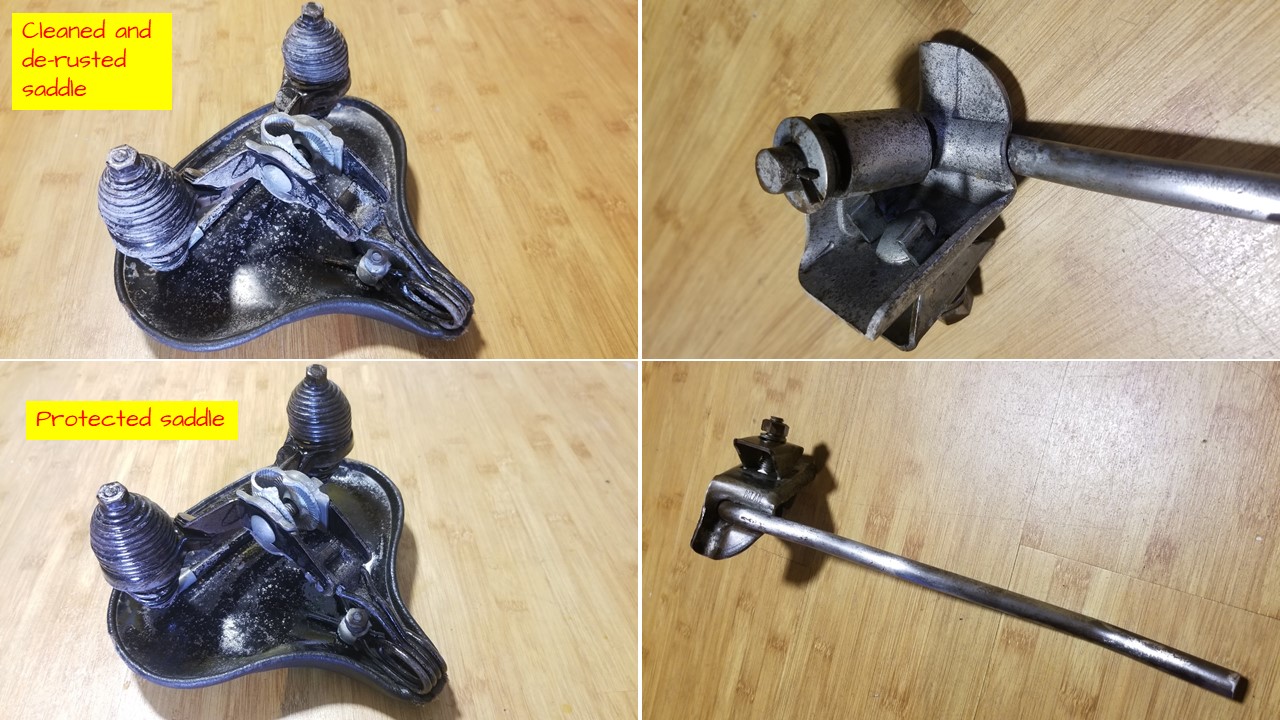
This 1948 Huffman “Dixie Flyer” Balloon-Tire Cruiser is the quintessential post-war American classic. Born out of the post-WWII manufacturing boom, this bike is a stunning piece of mid-century Americana. It represents a transitional era in cycling history when American factories pivoted from sparse wartime restrictions back to building full-luxury, heavy-duty ballooners designed to last a lifetime.
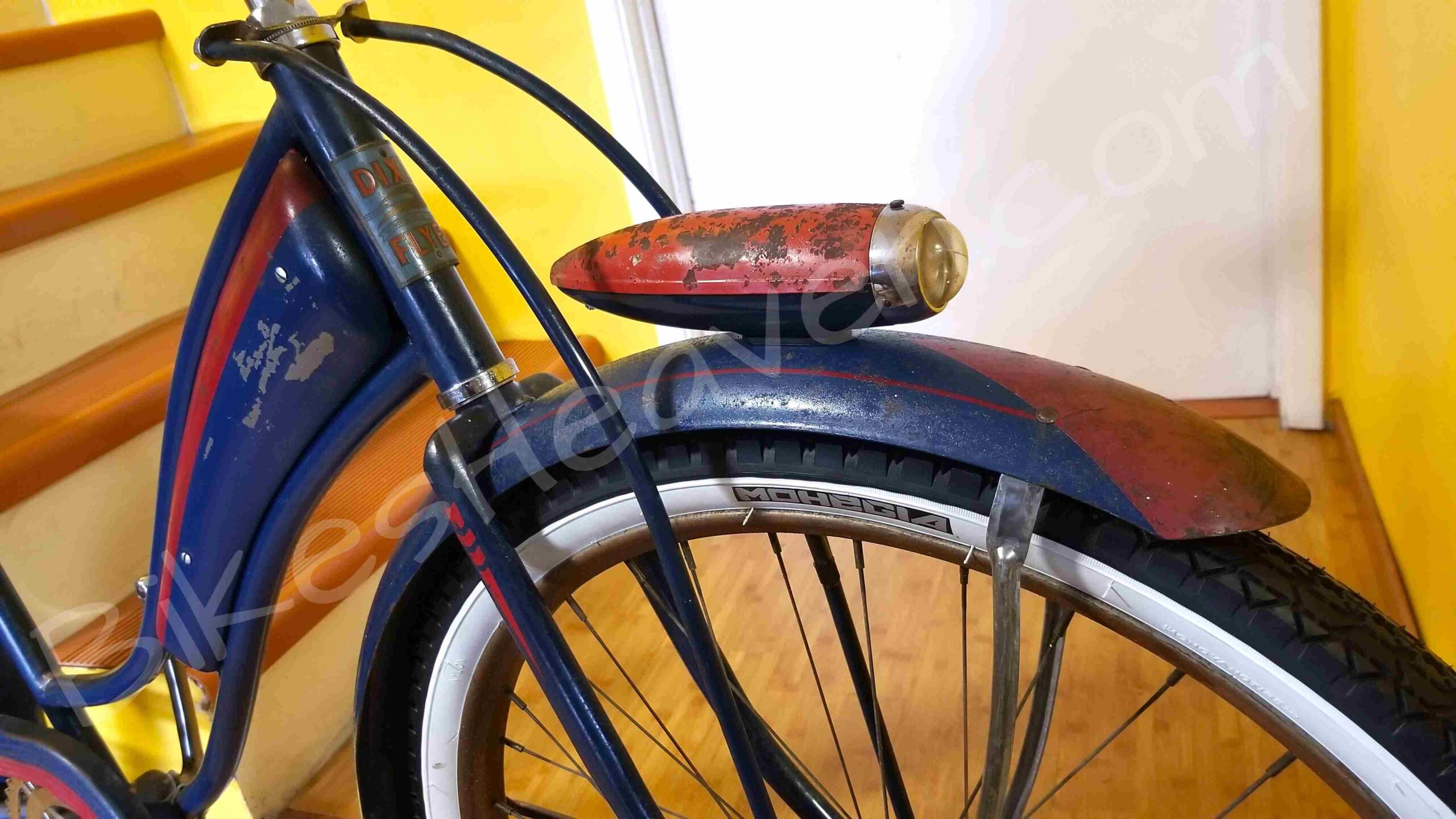
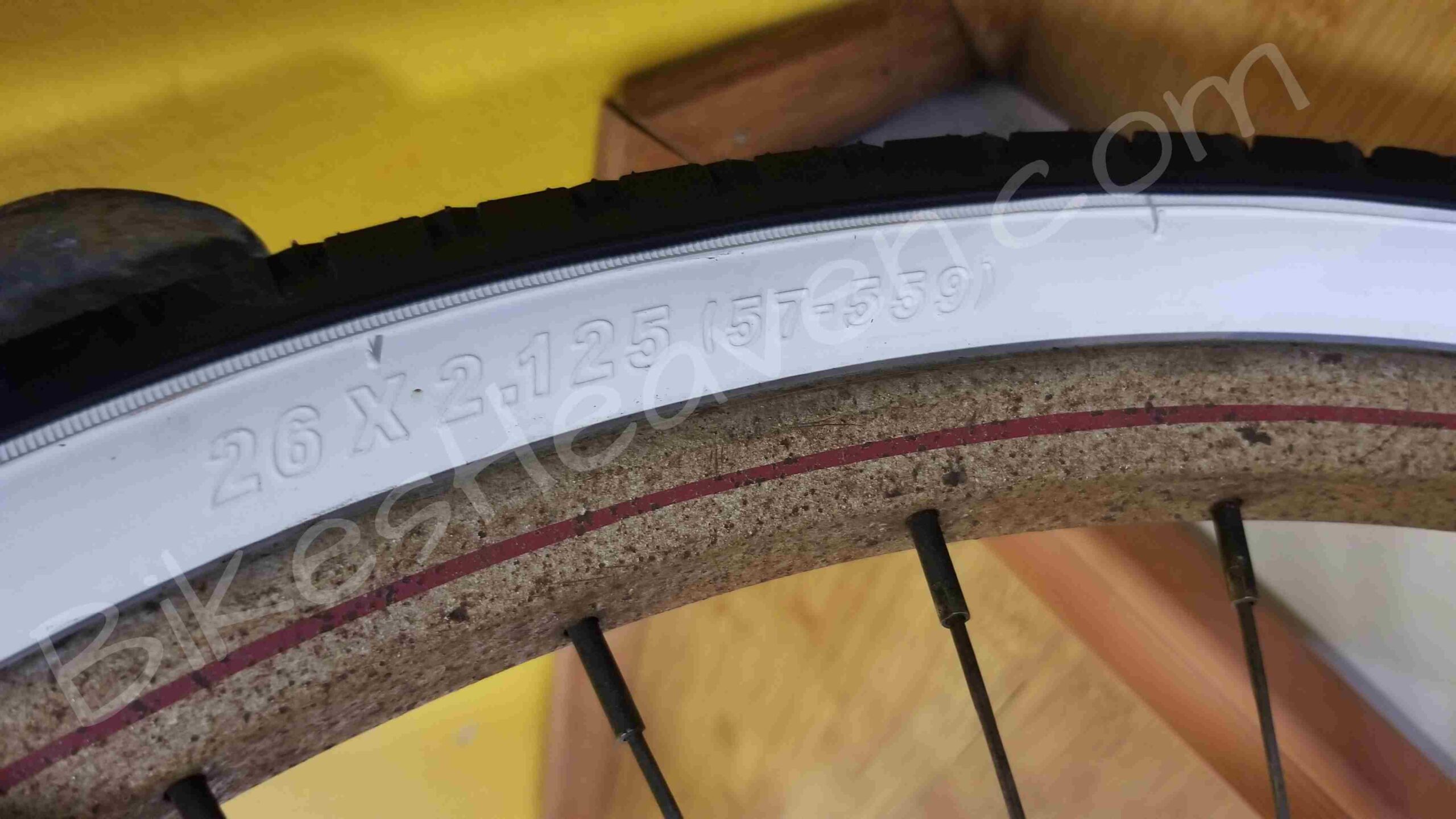
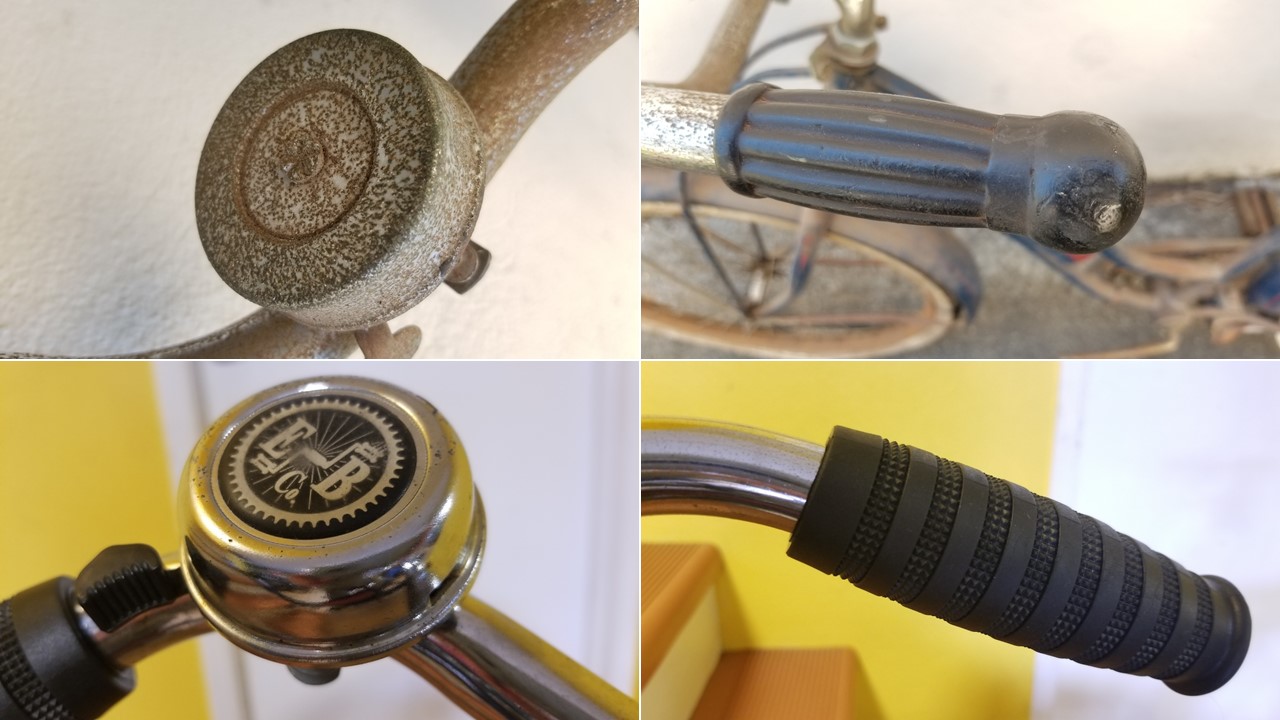
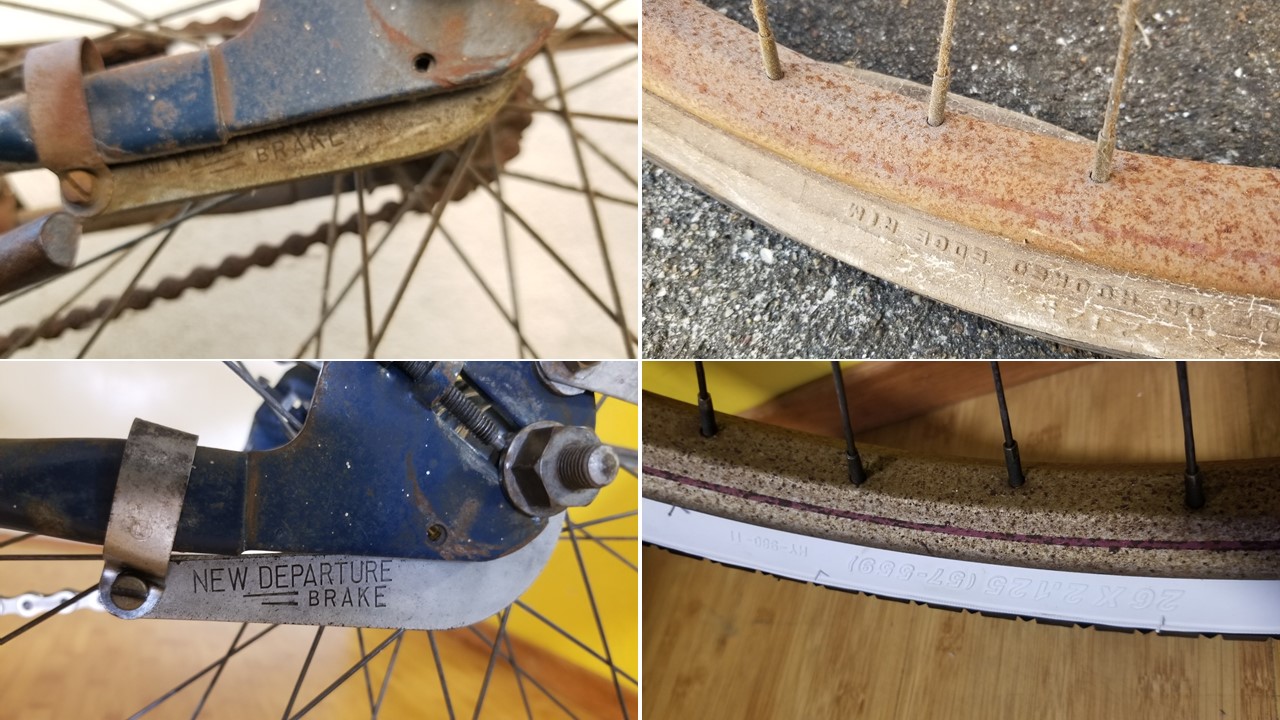
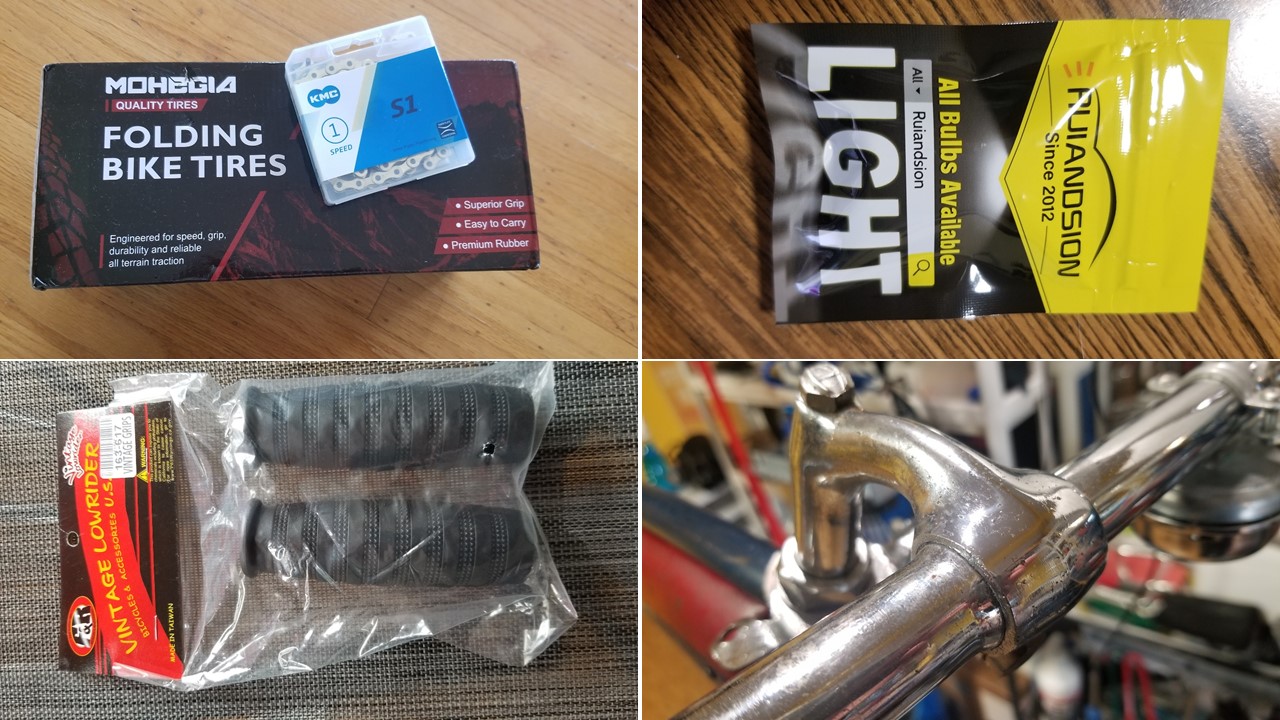
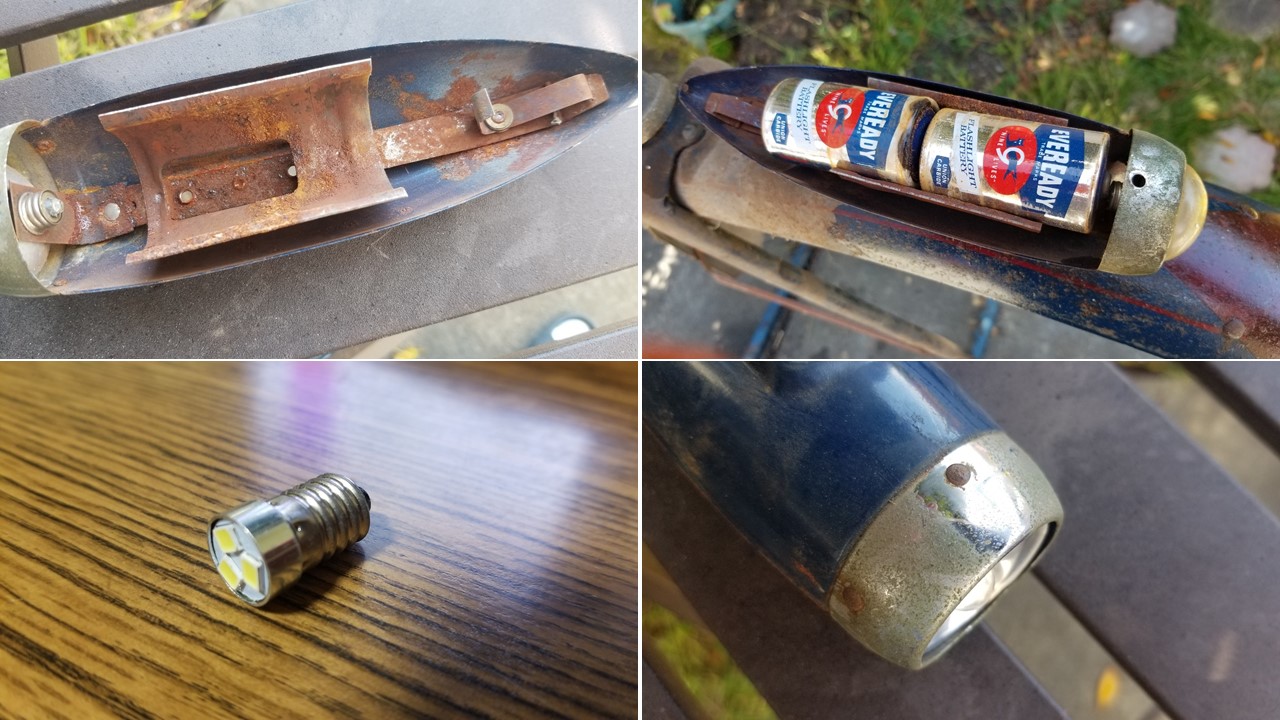
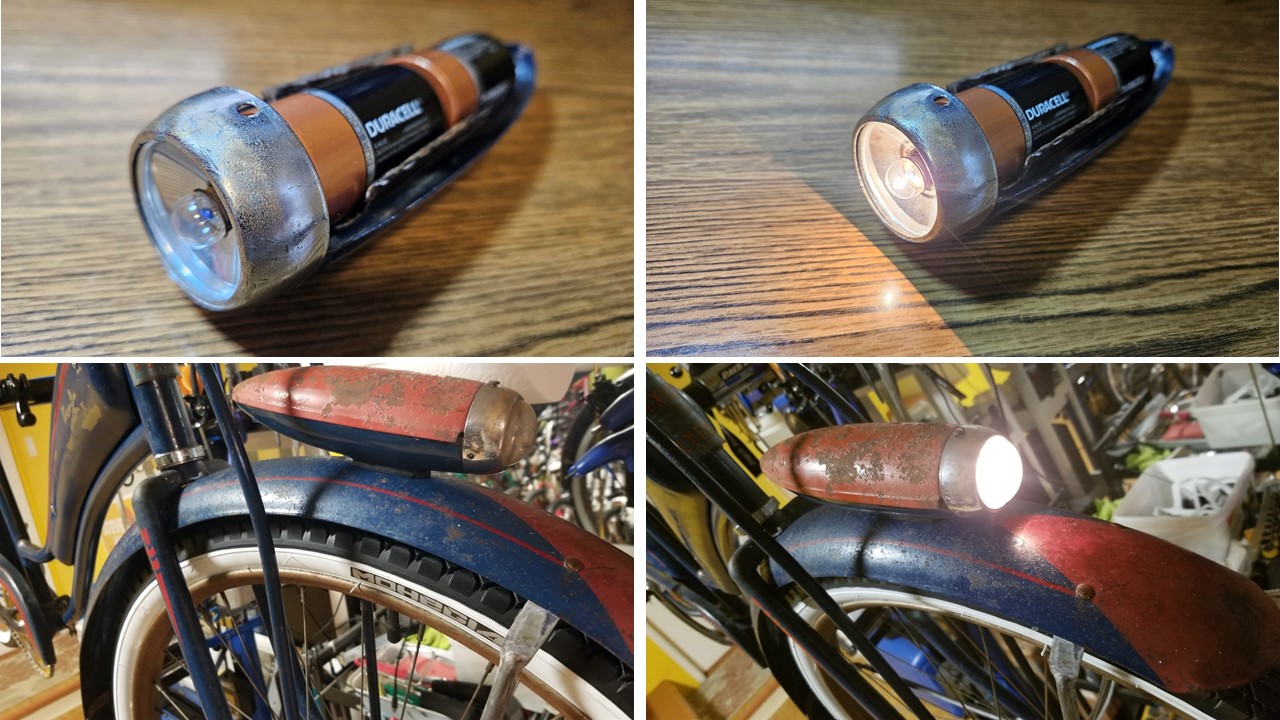
Rugged, unmistakably authentic chassis built by the legendary Huffman Manufacturing Company in Dayton, Ohio. Super comfortable upright riding position. Simple and reliable coaster brakes, awesome 26×2.125 balloon tires, authentic “Dixie Flyer” nose badge. The ancient 2.5V bulb was still alive! The new handlebar grips are comfortable and fit the vintage appearance perfectly. This bike will turn heads.
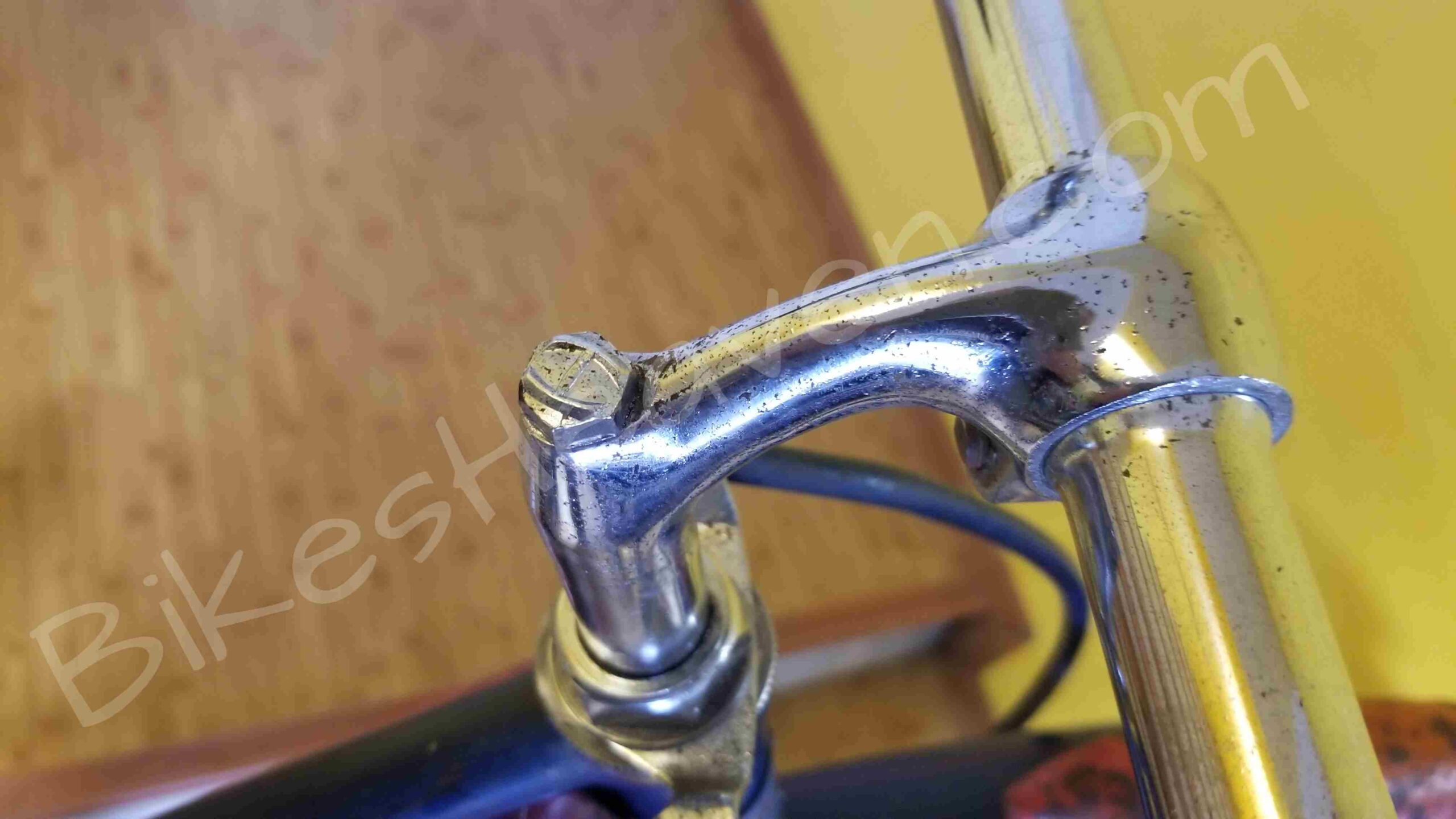
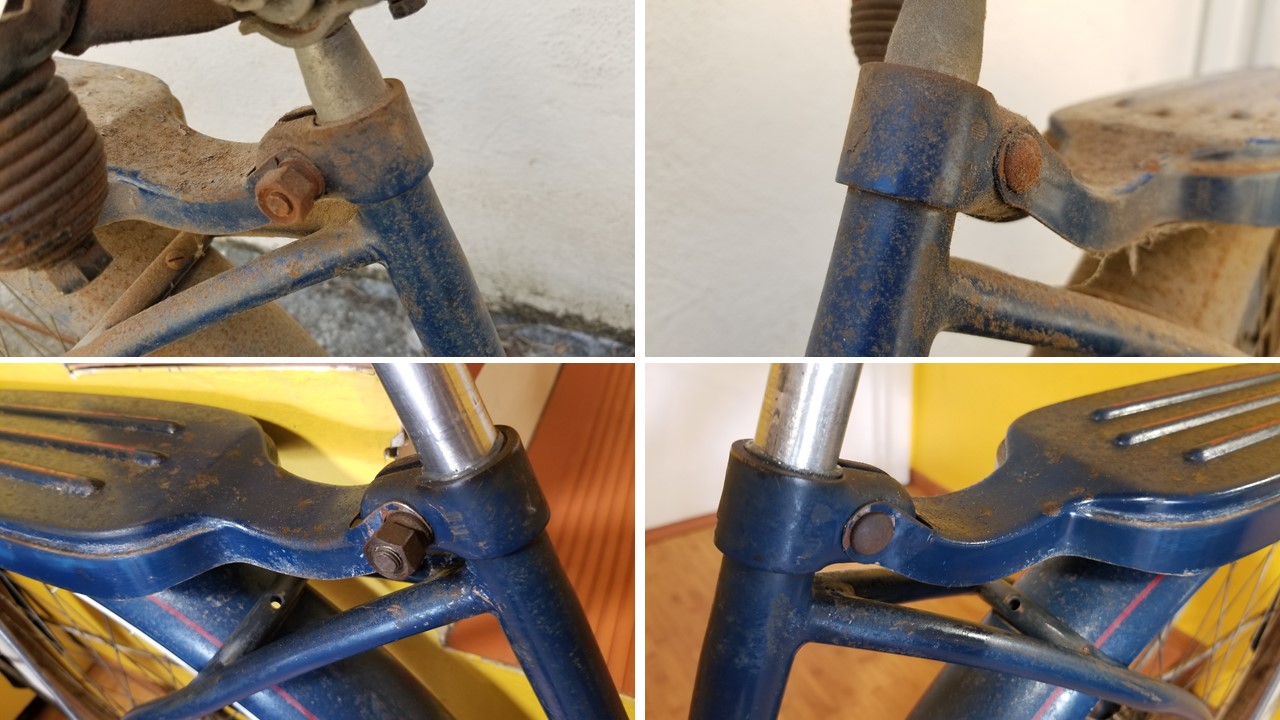
Structural Support and Rigidity: Heavy balloon tire bikes were built to take a beating on rough, unpaved roads. The slender steel forks of the era were prone to flexing under heavy loads or hard impacts. Truss rods formed a rigid triangle with the fork blades, significantly stiffening the front end and preventing the fork from bending backward.
Improved Handling: By reducing fork flex, the rods helped maintain stable steering geometry, especially when carrying heavy loads on a front luggage rack or riding over uneven terrain.
Aesthetics and Marketing: Beyond structural utility, they were a major design trend. Post-war bicycle manufacturers were heavily influenced by the “streamlined” automotive and aviation styling of the era. Truss rods gave bicycles an aggressive, robust, and premium look that consumers associated with strength and speed.
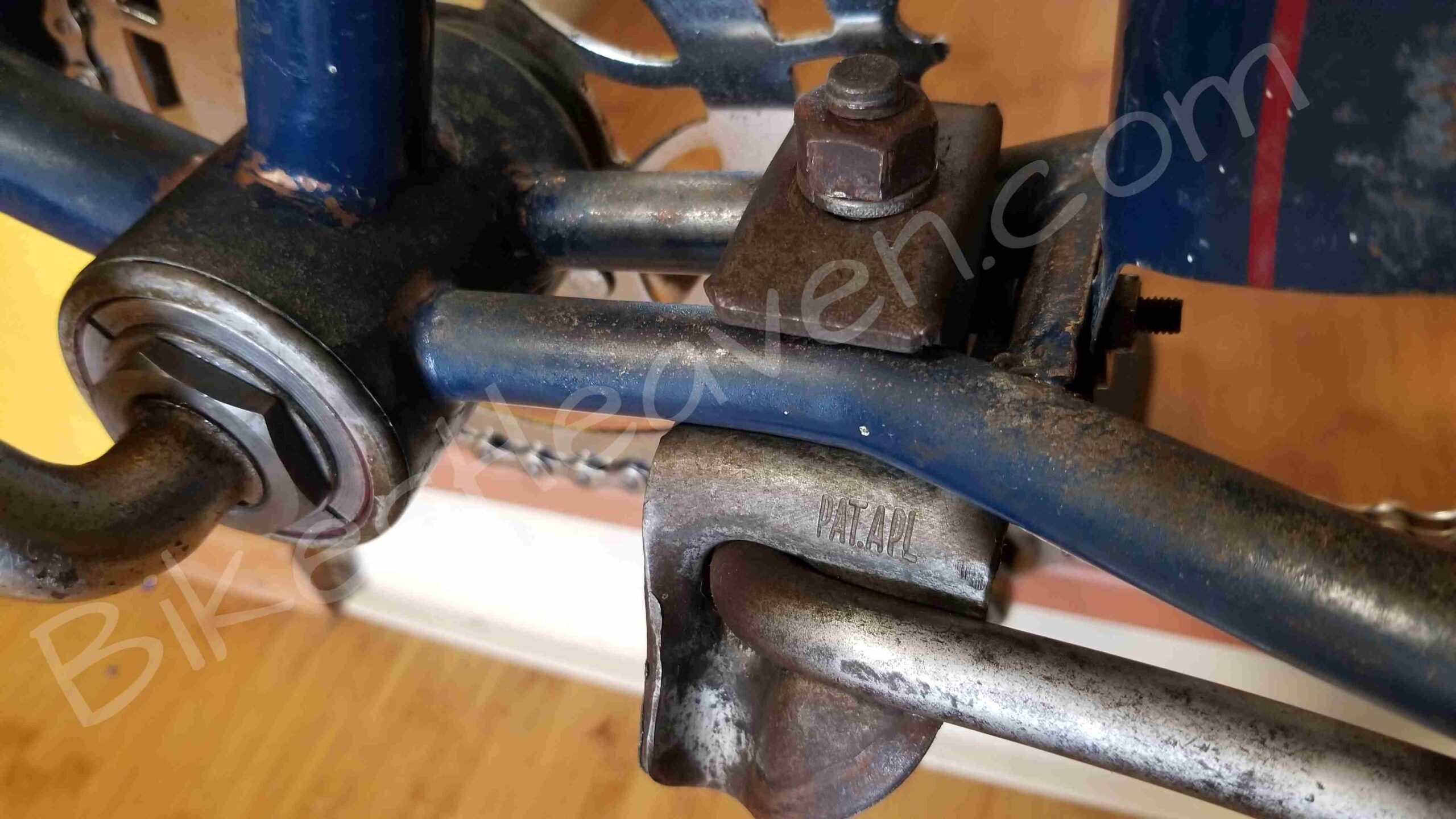
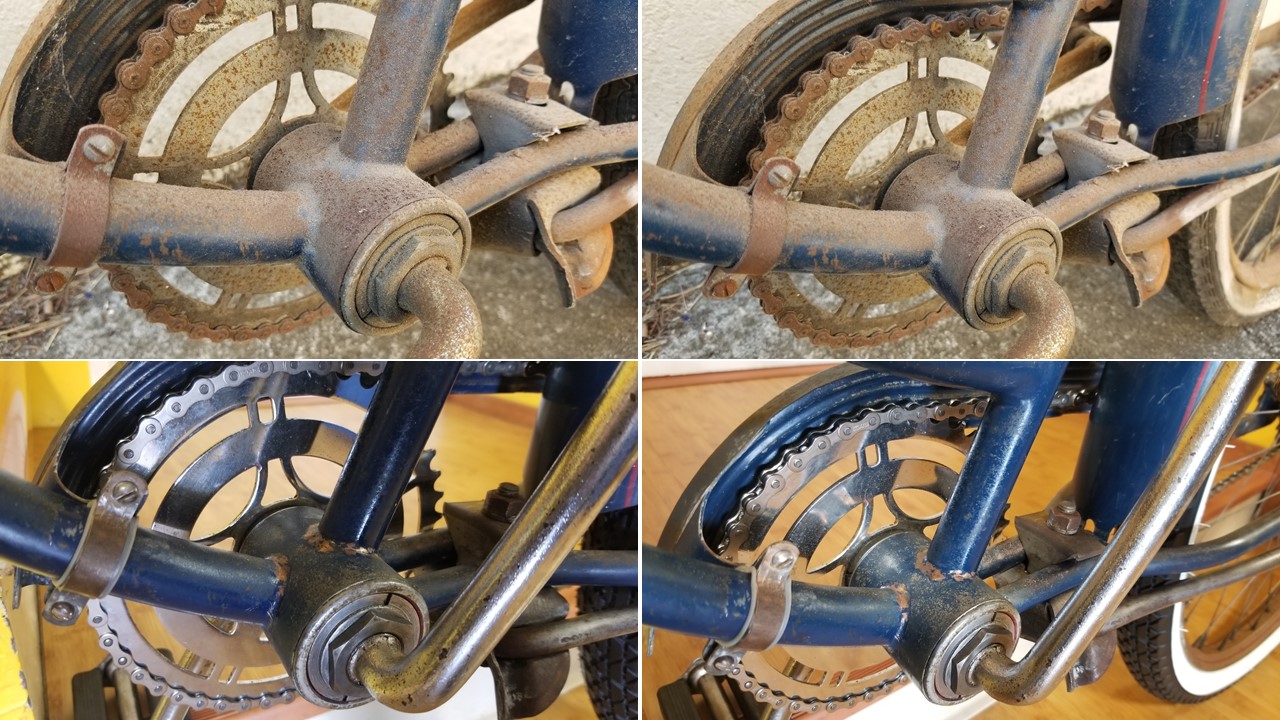
Following World War II, Huffman used a highly structured stamping system on the bottom bracket shell, where the very first characters indicated the exact production year.
8 (The First Digit): stands for the trailing digit of the production year. In Huffman’s post-war sequencing, an “8” in the primary position signifies 1948 (or, much less commonly, 1958, though by ’58 production styles had drastically changed and stampings had mostly moved to the rear dropout. H (The Second Character): stands for Huffman, identifying the frame as an in-house manufacture at their Dayton, Ohio, factory before they fully transitioned their badge naming to “Huffy.” 131922 (The Remaining Digits): the unique sequential production or batch number for the assembly line during that calendar year.